International Publishers: Éditions Hashtag (Canada)
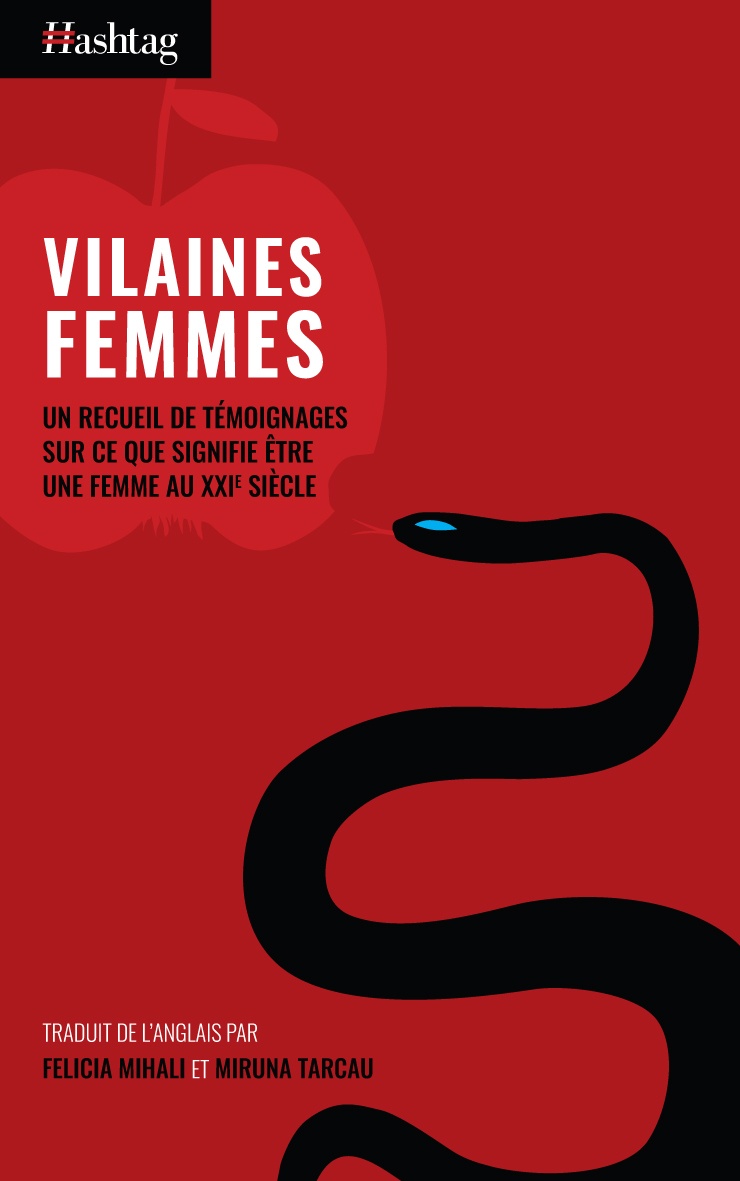
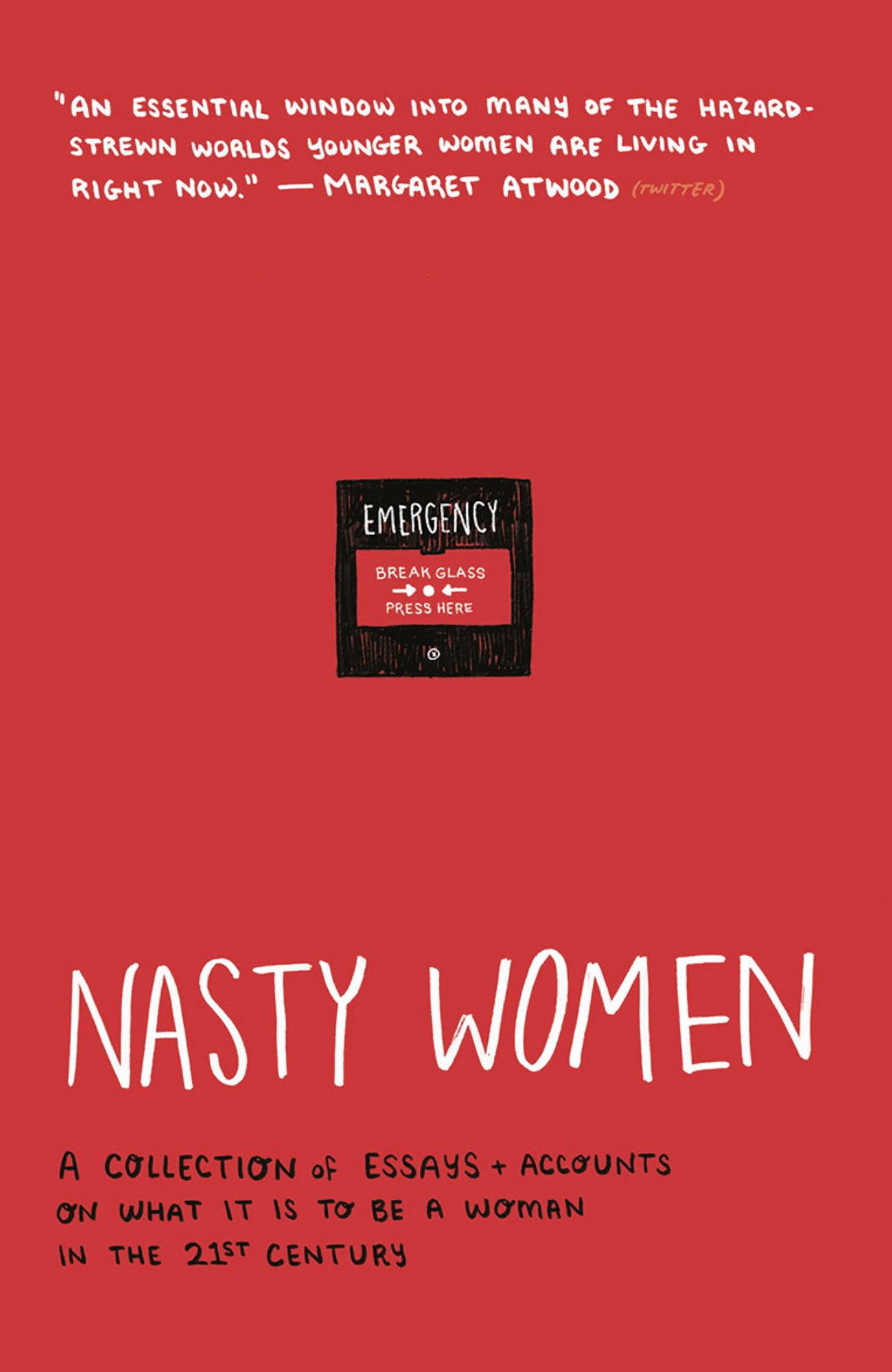
June 16, 2021Based in Quebec, Éditions Hashtag is a French-language publisher committed to cutting-edge works across a variety of genres, all connected to their mission to amplify underrepresented voices. They recently released a French translation of Nasty Women, a collection of essays published by Scotttish-based 404 Ink. We’re excited to spotlight Éditions Hashtag as part of our new International Publishers series.
Our International Publishers series brings you weekly Q&As with international companies that have recently worked with books by Scottish publishers and authors. Read the Q&A below to learn more about Éditions Hashtag and their translation work.
Could you tell us more about your publishing company? What types of books do you publish?
Like the symbol that inspired their name, Hashtag Publishing aims to become a gathering place for underrepresented realities in the contemporary world. We are primarily interested in books that depict the hidden faces of our society. Our novels, essays and poetry books often portray the daily lives of people who belong to minority groups. By demystifying the taboos associated with abuse and discrimination based on race, origin, gender, and language, these present-day stories help us to better understand the world in which we live.
How did you come across Nasty Women, and what inspired you to publish it?
Our literary director, Miruna Tarcau, spent a significant amount of time in Scotland in 2020, since she had to stay there due to the pandemic. During this time, she familiarized herself with contemporary Scottish literature, and this is how she discovered the publishing house 404 Ink, whose catalogue and editorial mission strongly echoes Hashtag’s own publications. Nasty Women (Vilaines Femmes) corresponds exactly to the kind of manuscripts we are looking to publish in our essays collection. Written in a simple style, which is often informed by the knowledge of more than one language, its stories reflect the multiple layers that make up contemporary societies.
How do you look for books to translate?
Our publishing house seeks to bring out strong voices, both from here and elsewhere, on the fringes of traditions, whether textual or social. The six planned titles we are publishing this year are in line with this vision. They depict a variety of genres that bring together different literary practices, such as poetry and essay writing, story-telling and blogging. The books we are interested in translating often address, in a way or another, subjects linked to migration, displacement, as well as complex feelings of alienation in a post-industrial world defined by identity politics and the rise of nationalism.
What is your favourite part of working with translations?
At present, in Quebec, the selection of books that are translated from foreign languages into French is heavily dominated by the American market, which makes it difficult to have a more comprehensive view of other, less-known, literatures and societies. We always seek to publish books that widen these horizons, by collaborating with publishing houses whose catalogue isn’t available at all to a French-speaking public in Quebec. Translations therefore help us to pursue our mandate to make works accessible in French that, by virtue of their subject matter and style, deserve to be disseminated within the Canadian Francophonie. In addition, our program also aims to make room for new voices in translation, such as Gabriel Kunst, who was a finalist for the John Glassco Award given by the LTAC.
***
Vilaines Femmes was published with the support of the Publishing Scotland Translation Fund. Visit Éditions Hashtag’s website to browse the full catalogue and get in touch with the company.