Translator Q&A: Annie McDermott
March 29, 2021Annie McDermott is a translator from Spanish and Portuguese, with her portfolio including books by Mario Levrero, Selva Almada, and Fernanda Trías. In this piece, she talks about her translation process and a few of her favourite projects to date, and shares some brilliant practical advice for new and aspiring translators.
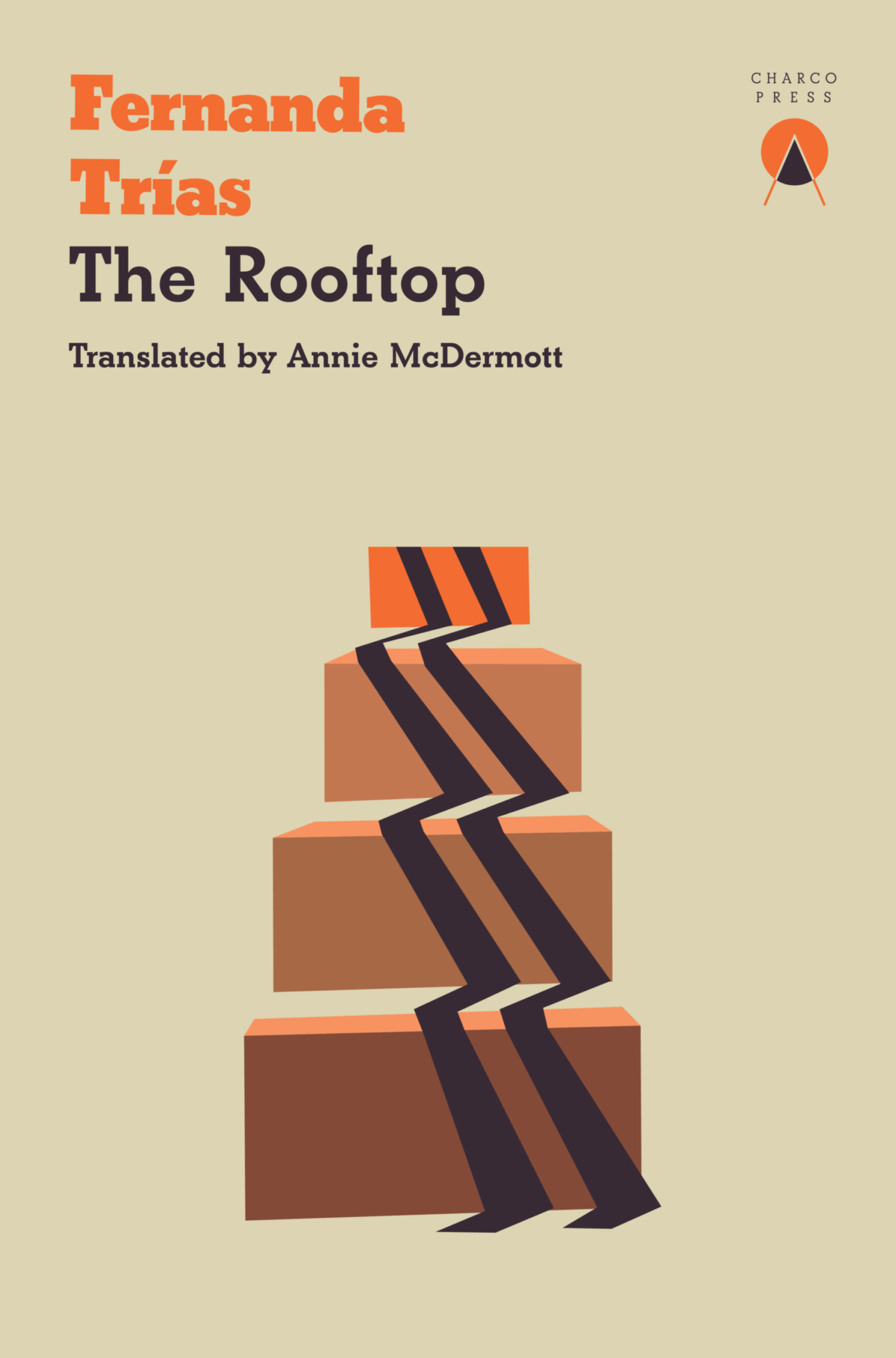
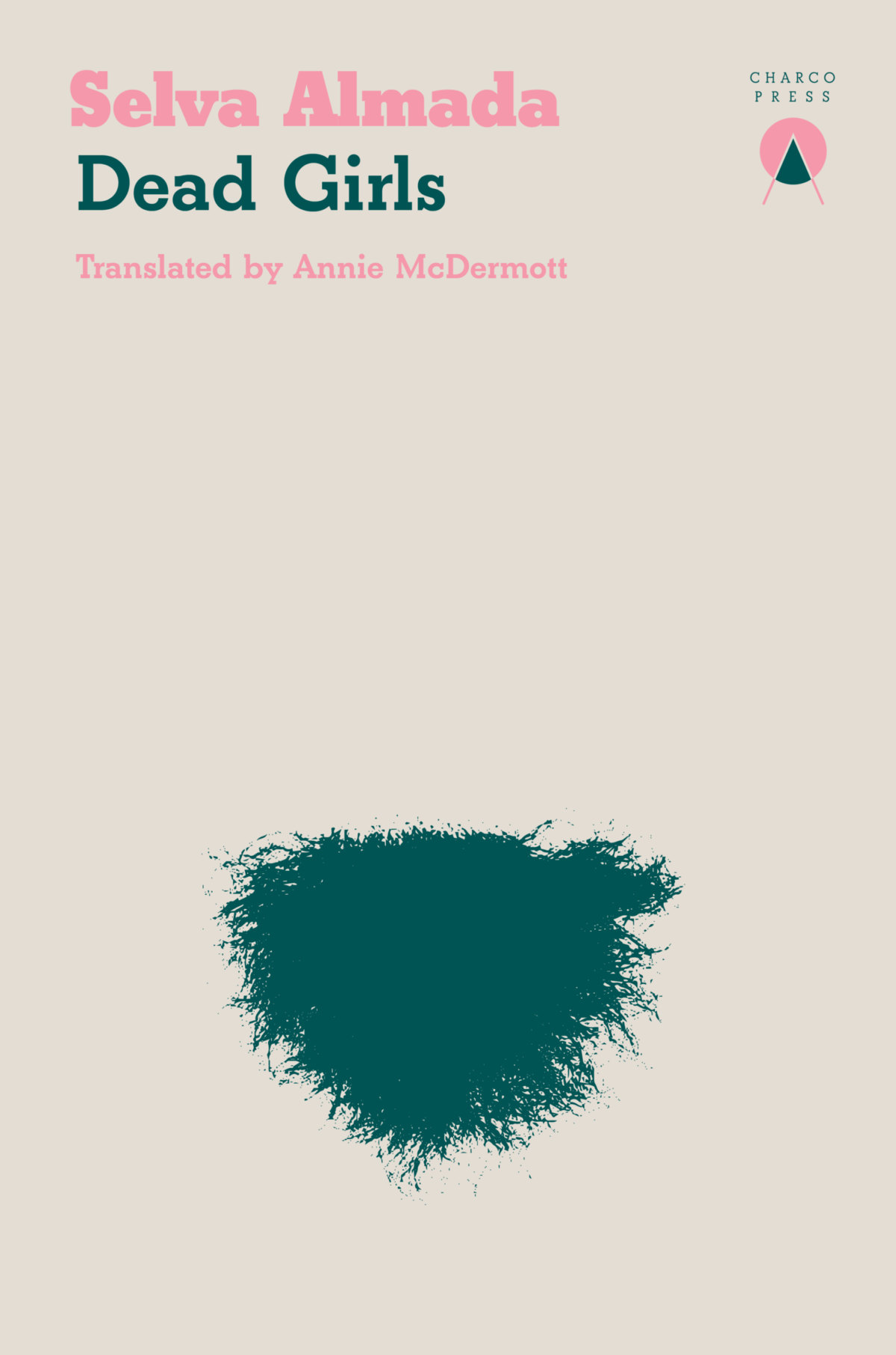
Annie McDermott is a literary translator working from Spanish and Portuguese into English. Her translations include Empty Words and The Luminous Novel by Mario Levrero (And Other Stories), Dead Girls and Brickmakers by Selva Almada (Charco Press), The Rooftop by Fernanda Trías (Charco Press) and Wars of the Interior by Joseph Zárate (Granta). She has previously lived in Mexico City and São Paulo, Brazil, and now lives in Hastings.
Two new titles translated by Annie, The Rooftop by Fernanda Trías and Brickmakers by Selva Almada, will be published in autumn 2021 by Edinburgh company Charco Press. You can learn more about Annie’s work on the Charco website and follow her on Twitter.
How did you start your career as a translator?
I’d been living in Mexico City after finishing university, and when I moved back to the UK I felt desperately homesick for Mexico and Mexican Spanish. The writer Juan Pablo Villalobos had some of his short stories up on his website at the time, and they were so gloriously steeped in Mexican slang that I found myself translating them in my head as I read them – I think maybe the first ever translation decision I remember making was to have a beleaguered police officer exclaim ‘Jesus H Christ on a bicycle!’ at a particularly fraught moment in one of them. With bizarre self-confidence I then wrote my translations out and emailed them to Juan Pablo, who liked them and happened to be looking for a translator at the time (his main translator, Rosalind Harvey, was busy working on his new novel), so I ended up translating some other stories by him for different magazines. It was a really lucky beginning, though I did then spend a good six years in what the Korean translator Anton Hur has described as the Emerging Literary Translator Valley of Death before eventually being asked to translate a whole book.
What does your translation process look like?
I won’t necessarily have read the book before I begin translating, and I generally do a very quick first draft at the same time as reading it for the first time. My first drafts are extremely rough and I live in fear of accidentally emailing one to a publisher one day – they’re full of gaps where I need to look words up, unravel complicated sentences or solve particular problems, and what’s there is generally a pretty clunky, rudimentary approximation of the original text. Aside from the odd bit of dialogue or wordplay, which sometimes come right straight away, I suspect that almost none of this first draft makes it into the final version. This makes it a pretty inefficient stage in the process and one I’ve tried more than once to do without, but I seem to find it impossible to start work properly on a text without having something on the page already.
Once I’ve finished the first draft I then go back through it again and again, first alongside the original and then trying not to refer back to the original at all and treating it as an English text. I’ll normally have questions for the author, and always have lots of things to look up, in dictionaries and weird corners of the internet – for the last book I translated, The Rooftop by Fernanda Trías, this included watching clips of Borat dubbed into Spanish and YouTube tutorials on how to fake a Russian accent, and for another, Brickmakers by Selva Almada, I signed up to a motorbike forum to ask about bike-related slang.
I couldn’t say how many drafts I do, because it’s not always a linear process – it feels more like going deeper into the text than just going through it from start to finish lots of times. A classical musician friend once told me that he rehearses short sections of pieces out of order so that each bit feels fresh, and I like to zoom in on particular passages of the translation in a similar way. I also do a lot of reading out loud, of the original and the translation – there are some things you can only learn about a sentence by actually hearing it spoken.
Could you tell us about one or two (or more!) translation projects that you are especially proud of having worked on?
I could! I’ll mention a couple, both of which are coming out later this year. First there’s The Luminous Novel, by the Uruguayan writer Mario Levrero, which will be published by And Other Stories this August. It’s a book about failing to write a book: Levrero is awarded a Guggenheim grant to finish a novel he abandoned twenty years before, but instead of doing that he ends up filling his time with ever more elaborate displacement activities. He records all these in a ‘Diary of the Grant’, which becomes an almost 450-page prologue to the book itself (which remains unfinished). It took a year to translate (the whole thing comes to around 200,000 words), which is a long time to spend with any book, but the process was an absolute joy – Levrero and I have a very similar sense of humour, I think, and his world of dream visions, detective novels, home improvements and telepathic communication with second-hand booksellers was a lot of fun to spend time in.
Next up is the book which is responsible for my membership of morotcycleforum.com: Brickmakers by Selva Almada, out from Charco Press in the UK and Graywolf Press in the States this November. It’s a kind of Romeo-and-Juliet story involving two young men from feuding families of brickmakers in the hot, dry Chaco region of Argentina. It’s an extraordinary book: the way Selva writes sends shivers down my spine, and there’s a particular line in this novel that makes me cry pretty much every time I read it, even if I’m reading it for extremely prosaic reasons like checking the formatting on the typeset proofs. This book is also one of the hardest things I’ve ever translated – it’s full of Argentinian slang from various regions and time periods, which Selva weaves into a kind of rugged, tender poetry that’s all her own.
What advice would you give to aspiring translators?
Connect with other translators – through the Emerging Translators’ Network, Twitter if that’s your thing, in-person events if that’s your thing (and there isn’t a global pandemic happening), etc. There are also various mentorship schemes, courses and summer schools run by organisations like the British Centre for Literary Translation and ALTA, as well as this database made by the translator Charlotte Coombe and these resources for racialised translators from the translator and writer Yilin Wang. The publishing world can seem – can be – mysterious, nepotistic and impenetrable, but a lot of translators are fighting against that and will be really happy to offer advice and support.
Also: literary translation is very desk-based, so look after your health! I’ve had pretty bad repetitive strain injury for the past few years and have to work either longhand or with dictation software, and I wish I’d taken steps earlier to ward it off. I recommend making sure you have an ergonomic set-up, doing lots of stretching, taking regular breaks, etc. etc. – you’ll feel better no matter what, and it might save you a lot of heartache, and all kinds of other aches, in the long-run.