Translator Q&A: Daniel Hahn
March 15, 2021In our latest Q&A, award-winning writer, editor and translator Daniel Hahn talks about his ‘terrible first drafts’ and shares some fantastic advice for aspiring translators.
Daniel Hahn is a writer, editor and translator with seventy-something books to his name. His work has won him the Independent Foreign Fiction Prize, the Blue Peter Book Award, the International Dublin Literary Award, and been shortlisted for the Man Booker International Prize, among many others.
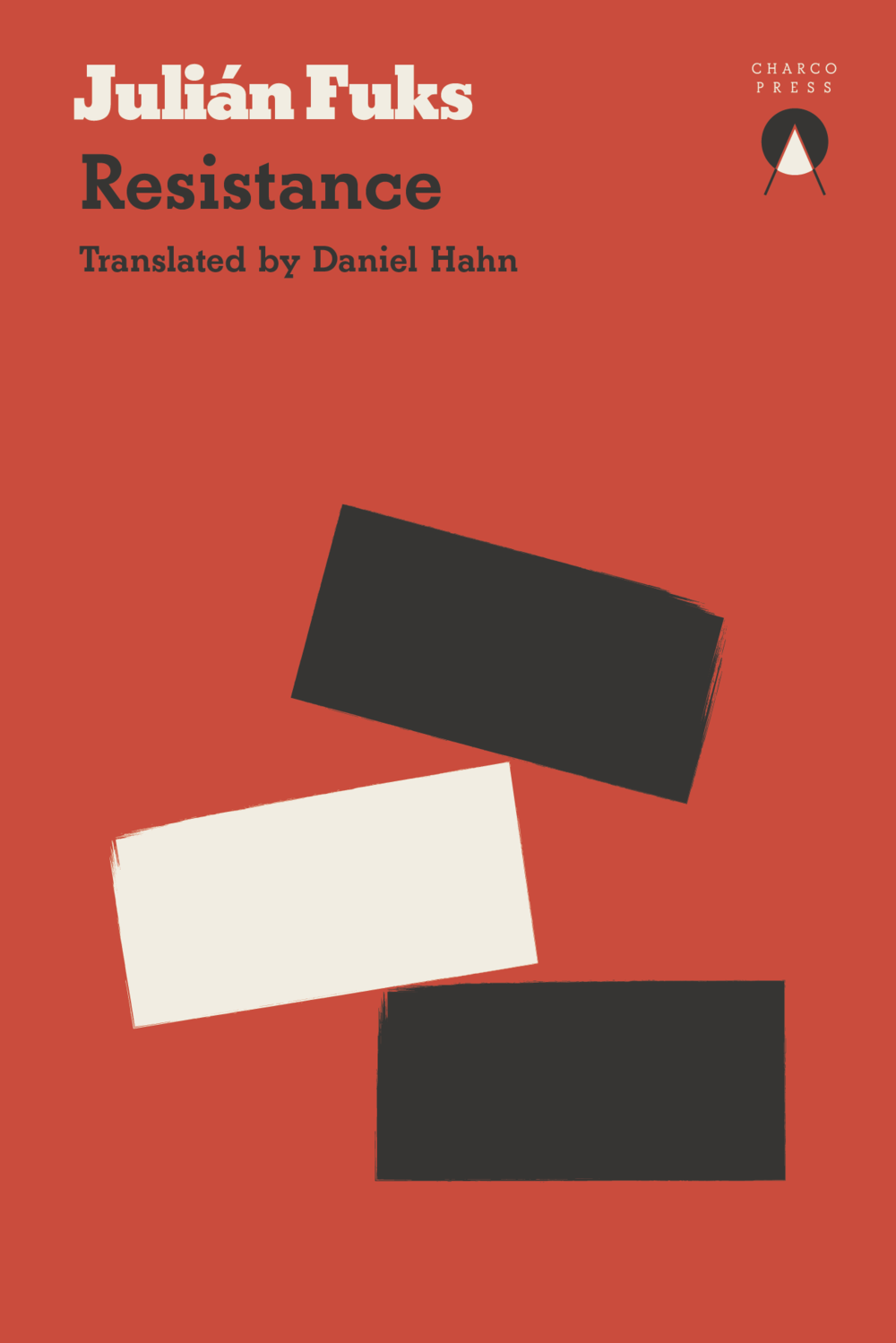
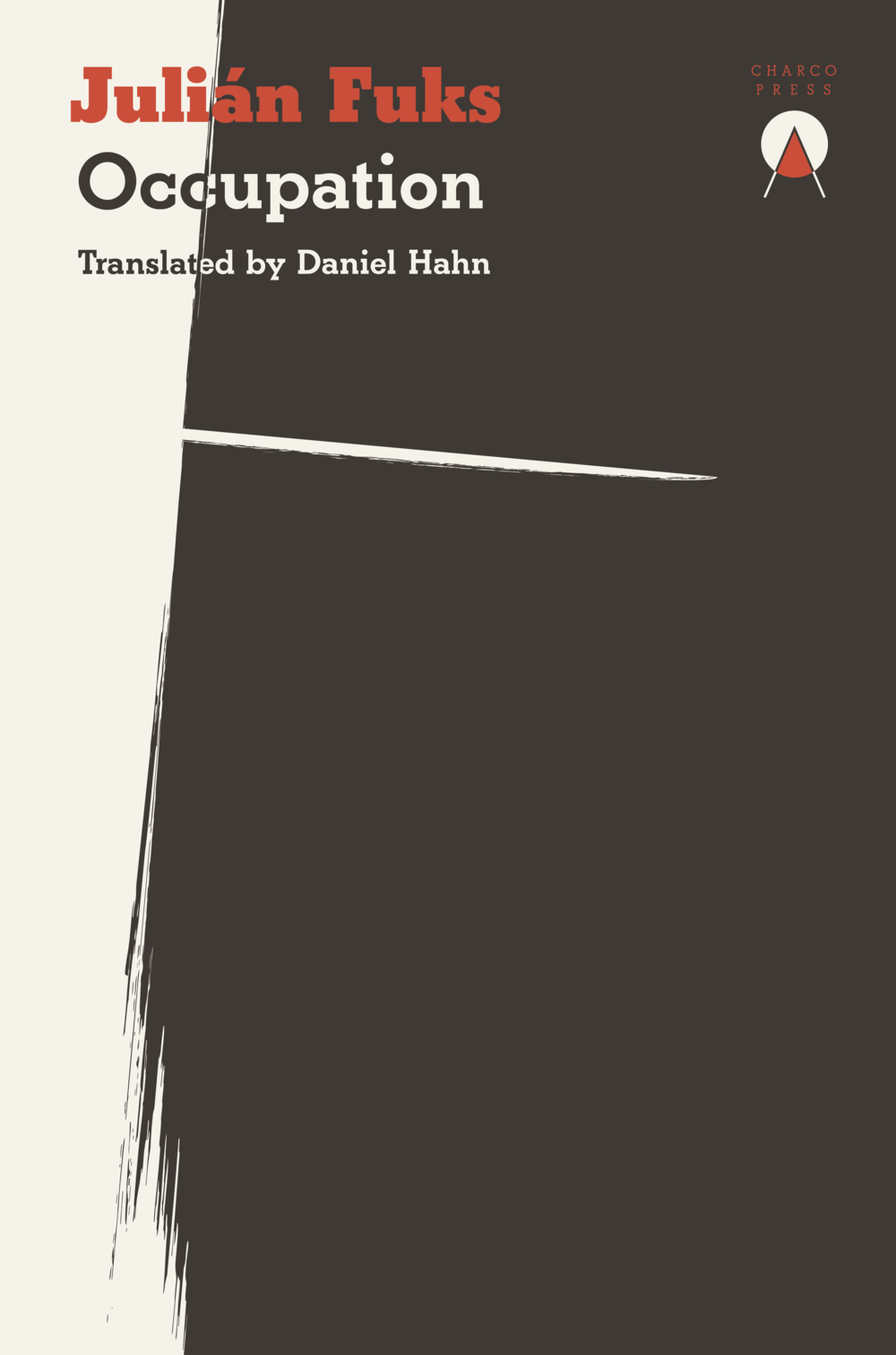
Daniel is the translator of Resistance (2018) and Occupation (2021) by Julián Fuks, published by Edinburgh-based company Charco Press. Charco also hosts Daniel’s Translation Diary – available here – in which he details his process of translating Diamela Eltit’s Jamás el fuego nunca, to be published in English in 2022.
How did you start your career as a translator?
It started by accident, really. A publisher friend asked me if I’d be interested in translating a book on which I’d written a very enthusiastic report, and I said yes, pretty much without thinking about it. I did it, it was quite fun, and that should have been it. Then several years later, she offered me a second gig working on the same writer, and because I’d enjoyed it first time around, I said yes again – that second book did better, it won a prize, etc., and I’ve been translating pretty regularly ever since. Nearly fifteen years now!
What does your translation process look like?
I hate drafting and love revising, so my process has sort of evolved to allow me to weight the work as much as possible towards the latter stage. I do a first draft that is really, really terrible, and then tinker for as long as I can, and only stop when the deadline is really upon me. (Sometimes not even then, as a whole generation of aggrieved proof-readers can probably testify.) That first draft is worse than you can imagine, but it is at least very quick – once I have something down on the page, anything, really any old rubbish, then I can start having fun.
Could you tell us about one or two (or more!) translation projects that you are especially proud of having worked on?
I mentioned the first two books I did by the same author – he’s an Angolan writer, José Eduardo Agualusa, and we’ve worked together on I think eight books now? I know his work better than any other writer, and it’s been a great pleasure and a great privilege to stick with him over all these years. Discovering new writers is a delight, of course, but coming to know one really well, following a whole career, and helping to build an international voice and reputation for him, that’s its own special kind of reward.
What advice would you give to aspiring translators?
It’s a difficult profession to get into, not least because the amount of work available isn’t nearly enough to occupy the number of people who want to do it. The appeal of translating seems to have increased considerably in recent years, which is largely a very good thing, but demand for translators’ work hasn’t seen an increase on a comparable scale, so competition for individual jobs, for slots on a publisher’s list, can be tough. (We need to do a lot more to increase demand, not just supply, but publishers are not always as receptive as I would like them to be!) This means that to get work you need to be lucky, you need to be persistent, you need to be visible to people who might perhaps commission work from you. But you also need to be really good – things like luck are outside your control, of course, but getting better is something that anyone can commit to doing for themselves.
If you can afford the time and cost, consider attending workshops, courses, masterclasses, or summer schools; if you can’t, then practice. Translate widely, share your work with peers who can help to interrogate it and identify what is/isn’t working – get better. As I said, it’s a hard profession to get into, and for many people in some ways it’s even harder to sustain a career once you’re in; but while, like anything in the arts, it’s obviously not a perfect meritocracy (success also depends on luck, and contacts, and funding, and reputation, and many other things), being really good at the actual work can only help your chances.
You can visit Daniel Hahn’s website to learn more about his work and follow him on Twitter.