Translator Q&A: Ellen Jones
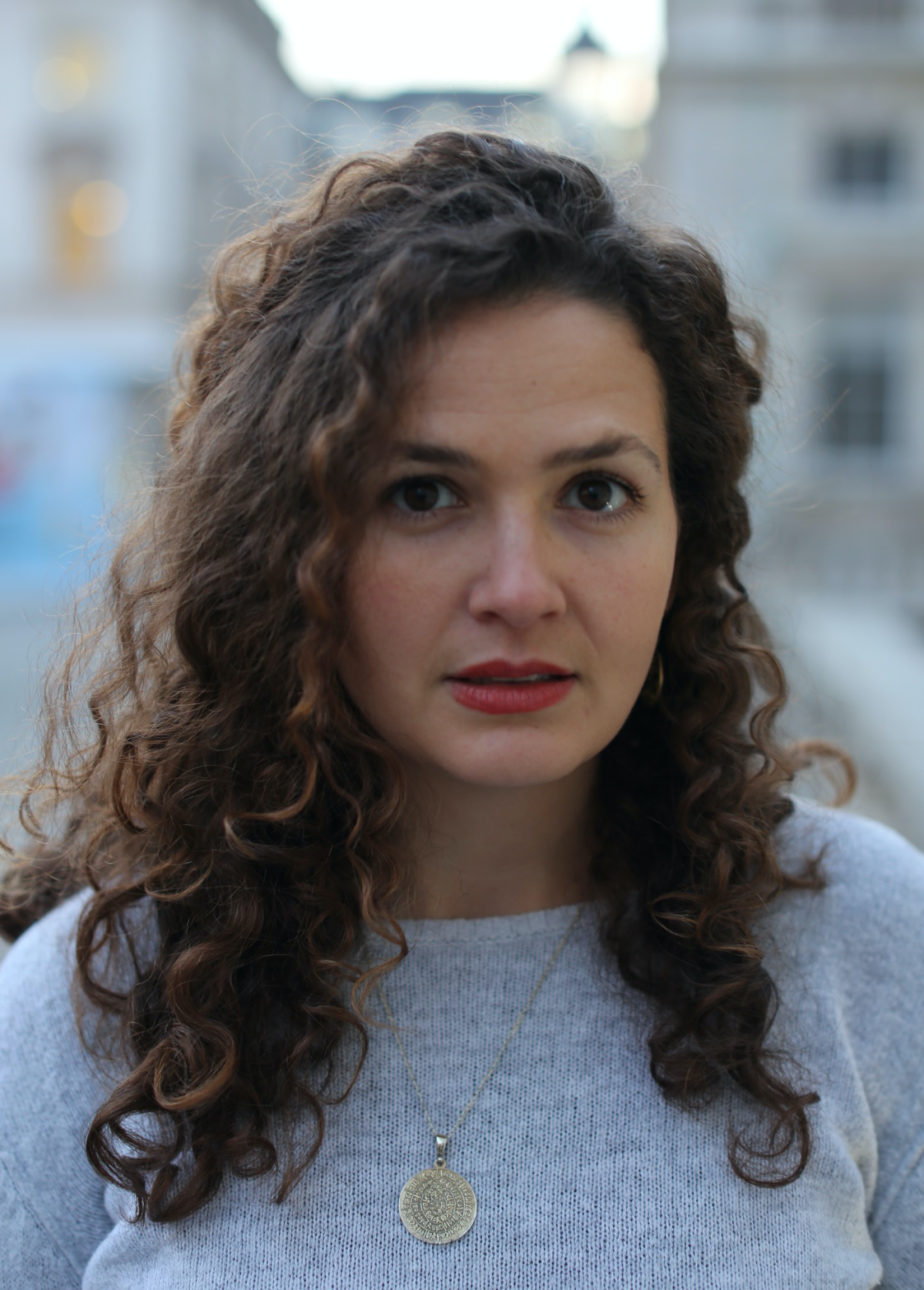
April 19, 2021In our next interview, Mexico City-based writer, editor and translator Ellen Jones talks about her journey to the first translation contract, the joy of collaborating with people throughout the translation process, and the importance of seeing other translators as colleagues and not rivals.
Ellen Jones is a writer, editor, and literary translator from Spanish, based in Mexico City. Her translation of Bruno Lloret’s novel Nancy is published by Two Lines Press in the US and Giramondo in Australia. Her book Languages in Motion: Translating Multilingualism Across the Americas is forthcoming from Columbia University Press. You can find her at www.ellencjones.com.
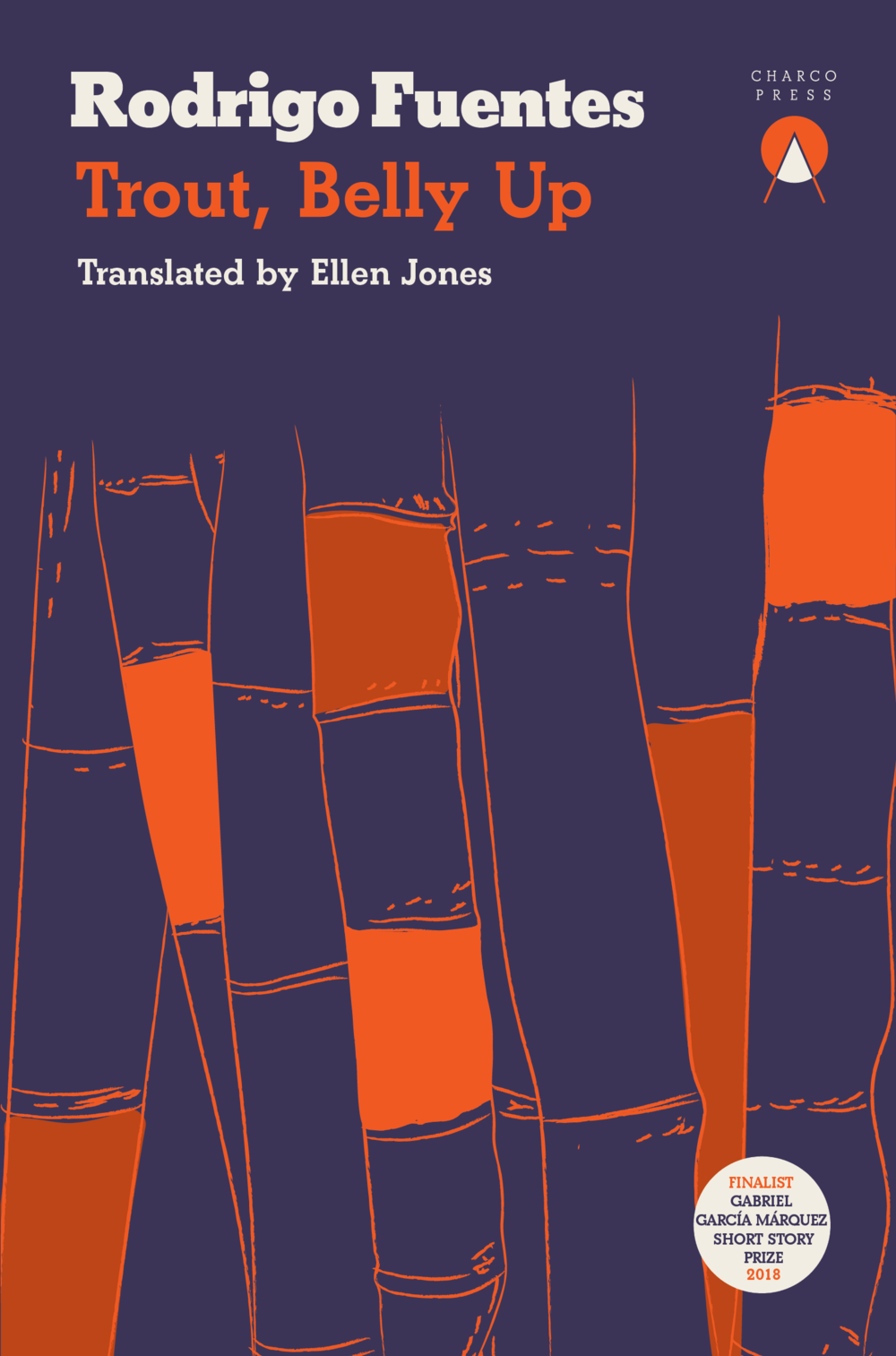
In Scotland, Ellen collaborates with Edinburgh publisher Charco Press, and is currently working on a co-translation with Robin Myers of a novel by Mexican writer Ave Barrera.
How did you start your career as a translator?
I started doing bits and pieces of translation while I was working as a literary agent’s assistant straight out of university, and had more time on my hands than I knew what to do with. Most of those bits and pieces will never see the light of day (thankfully), but some ended up on a lovely website called Palabras errantes, which published contemporary Latin American literature in English translation. I then took a detour and went back to university to do a master’s and PhD, where I eventually circled back round to translation: I ended up writing my thesis on the translation of multilingual literature, focusing mainly on US-based writers using ‘Spanglish’. During that time I also volunteered as Asymptote’s Criticism Editor, commissioning and editing reviews of translated books, a role that introduced me for the first time to some other translators and taught me how the literary translation industry works. Then as I emerged, blinking, from the strange and stressful world that is academia, I was lucky enough to get both a National Centre for Writing Emerging Translator Mentorship, with the lovely Samantha Schnee, and a fellowship to travel to the American Literary Translators’ Association annual conference. I learned a huge amount from these two opportunities (not to mention Sam has since become both a colleague and a friend), which eventually led to my first translation contract.
What does your translation process look like?
So far I’ve always read the book long before I know I’m going to translate it, but I always sit down to read it again, and try not to panic in the process. Then I work chapter by chapter, in stages. First I do a totally crap first draft. Sometimes this is barely comprehensible – full of options and question marks and Spanishy syntax, but also just mistakes, all over the place. I don’t always look up things I don’t know (or I give them a very cursory google) and often I’m just typing the first thing that comes into my head. It might sound mad, but this stage is worth it for me because apparently I’m terrified of the blank page, and having something (anything) to work from makes all the difference. The next stage is the hardest, but also the most satisfying, part, where I do all my research and thinking, and ask all the necessary questions. Naturally, this takes much longer, but there’s this lovely process of seeing something blurry come into focus for the first time. I think I’m probably quite a demanding editor of other people’s work, and I take the same pleasure in knocking my own writing into shape during this stage. Then, when I’ve got a comprehensible, largely presentable draft, I’ll go back and fine tune it, check for consistency, read it aloud and send bits and pieces to others to read.
Could you tell us about one or two (or more!) translation projects that you are especially proud of having worked on?
Yes, I’m very pleased that my translation of Bruno Lloret’s novel Nancy is coming out with Two Lines Press in April (if you’re on the other side of the world you can also buy it from Giramondo in Australia). It’s a strange, dark but beautiful book. Its prose ranges from delicate almost-poetry, to black humour, then to terse, almost biblical narration. Plus, it’s visually experimental, creating elusive shapes on the page out of thick black crosses. Quite a challenge, basically! But part of the joy of working on it was the people I got to collaborate with in the process – Bruno himself, who patiently answered all my questions and then trusted me to make decisions, and my two editors, CJ and Nick, who are the best kind of thoughtful, insightful, hawk-eyed readers.
Right now I’m working on a co-translation with Robin Myers of a novel by Mexican writer Ave Barrera (the title of which we haven’t decided on yet…) for Charco Press. Ave’s book is worlds away from Bruno’s – it’s a pacey tale about an art restorer turned forger in Guadalajara, and involves a lot of research into powdered paints, glues, and other materials and techniques involved in Renaissance art. This project has been particularly enjoyable so far for two reasons: first, because I get to share in Robin’s considerable expertise and experience, but also because it’s my first time translating a writer from Mexico, where I live.
What advice would you give to aspiring translators?
Think of other translators as colleagues, not rivals. It’s sometimes hard to forget that we are in competition with one another when there are so few opportunities to publish translations into English. But translators are on the whole a very friendly bunch, and many of the more successful among us dedicate a significant amount of time to hauling others up behind them – see the low-cost mentorships offered by Rosalind Harvey and Jen Calleja, for instance. There are a huge number of free resources out there too, such as this crowd-sourced database, managed by Charlotte Coombe, full of information about publishing outlets, residencies, funding opportunities, and more. Get in touch with other translators (I’m on Twitter @ellen_c_jones) and ask them questions – don’t be shy!