Translator Q&A: Francesca T Barbini
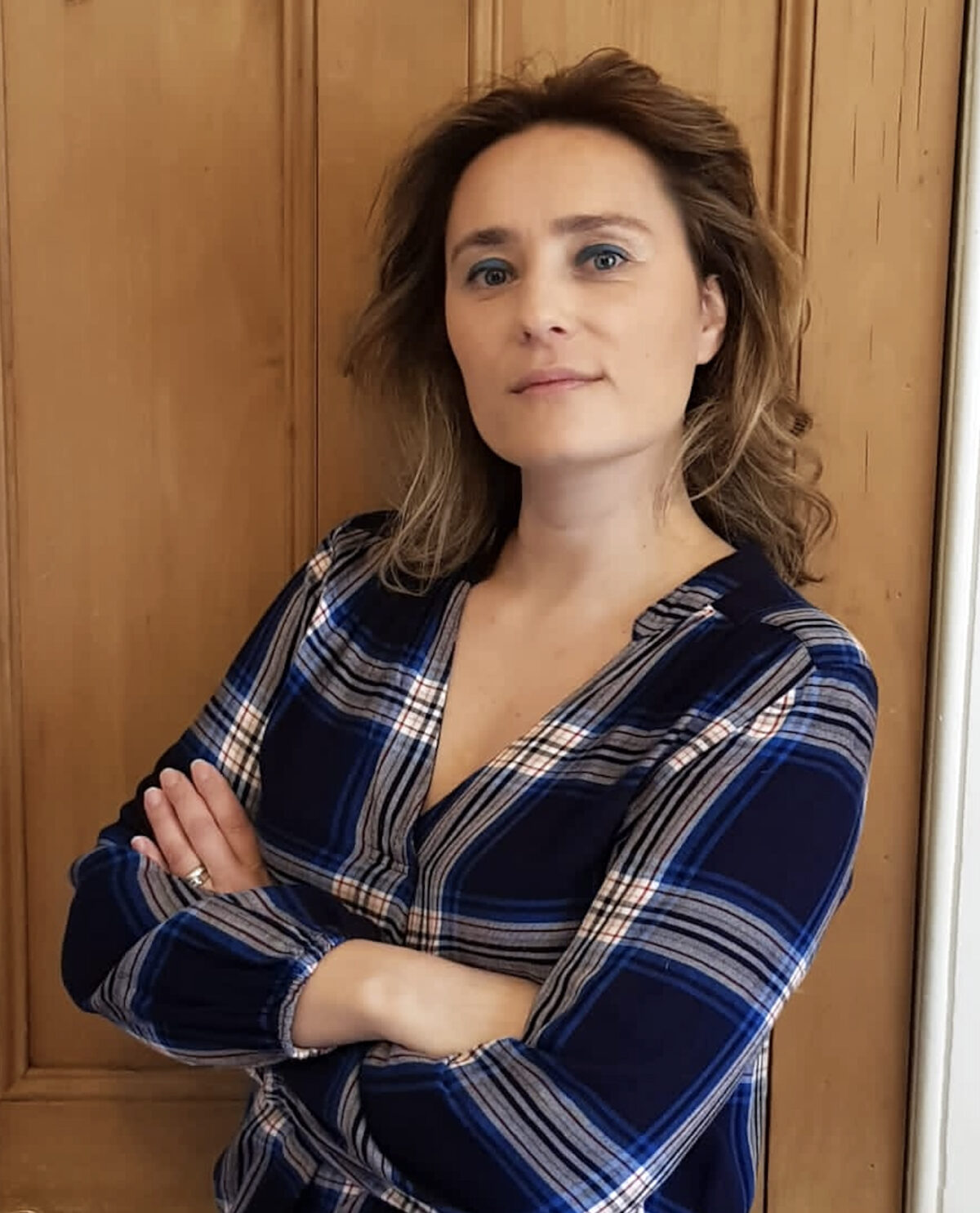
We’re delighted to start our new Q&A series from an interview with Francesca T Barbini, translator from Italian and founder of Luna Press Publishing, Edinburgh-based independent specialising in fantasy and science fiction.
Francesca T Barbini was born and raised in Rome, Italy. After years of volunteer work around the world, she completed a MA Honour in Religious Studies at New College, Edinburgh, focusing on the Ancient Near East and the Dead Sea Scrolls, followed by a PGDE at Edinburgh University. In 2011, she began self-publishing her YA SF series Tijaran Tales, subsequently receiving a publication contract by American Oloris Publishing. In January 2015 she officially started Luna Press Publishing, home of speculative fiction in fiction and academia. In 2018 she won the British Fantasy Award for Non-Fiction, as Editor of Gender Identity and Sexuality in Fantasy and Science Fiction.
Francesca discusses her professional background and shares some fascinating insights into her translation process, including details such as determining what Italian region the author is from to best capture the linguistic and cultural nuances.
How did you start your career as a translator?
I’ve studied English throughout my Italian school career, but I didn’t really start to appreciate the nuances of translating until I began to travel around the world as a volunteer. I found myself involved in simultaneous translations during conversations between colleagues, which was an eye opener. I had to develop speed and accuracy, something which I enjoyed quite a lot. Between moving to Scotland, back in 1998, and opening Luna Press Publishing in 2015, I continued my further education in the Scottish system. That required me to tackle texts and make sense of them from my Italian mindset and cultural background. This taught me to pay attention to a text’s own context and mindset. When Luna opened, I was determined to bring works from other languages into the Anglophile world; this is where I really started to fine tune my techniques of translation for works from Italy. I was able to work on fiction, but also non-fiction, on account of Academia Lunare, the speculative non-fiction arm of Luna Press. More generally, working closely with other translators and editors has allowed me to steadily improve my skills over the years.
What does your translation process look like?
For works of fiction, the first thing I do is to stop looking at it as if it’s my own writing. For the next however-long period, I place myself in someone else’s shoes. I need to get a feel for the author, look at their website, other works they’ve written, even find out what Italian region they are from. Culturally, there are many differences between the regions, language being one of the most important. Of course, it’s not enough to map a person, but it can give me some rough ideas for helping with the empathic process.
Then I learn about the story itself, its genre, synopsis, market, etc. I need to gauge the type of work so that I can make sure the register is right. I say ‘register’ because I ‘hear’ the voice of the story – that’s my aim – so I want to make sure I can get it right when translating. I would generally read the work in Italian first.
As I work, I keep the tracker on and insert comments to keep me right. For example, I may add them where I’ve used certain words which have given me pause for thought. The Italian language is very colourful, and there are a multitude of expressions which need to be matched to their English counterparts in the most accurate way, but also in a way that makes sense to the readers. Sometimes that natural meaning emerges later, as I work through the text, so through the comments I can find the problematic bits right away and make changes. Other times I simply comment on a choice of translation, for consistency. Also, comments can be used for dialogue with my editors, who are all native English-speakers, and who would be able to help me choose the right words, due to their cultural understanding of the language.
Non-fiction is somewhat different, more technical. Yet, it’s still important to understand the medium: are you translating a political speech, a eulogy, or a dissertation? The tone needs to be calibrated accordingly. Also, this is where you can, and should, have a discussion with the author about technical terms. You may not know, say, the exact translation of a scientific word, but the author can perhaps help, as it is a word they hear day-in, day-out within their circle.
Overall, they feel like two different translation processes, but I like them both equally.
Could you tell us about one or two (or more!) translation projects that you are especially proud of having worked on?
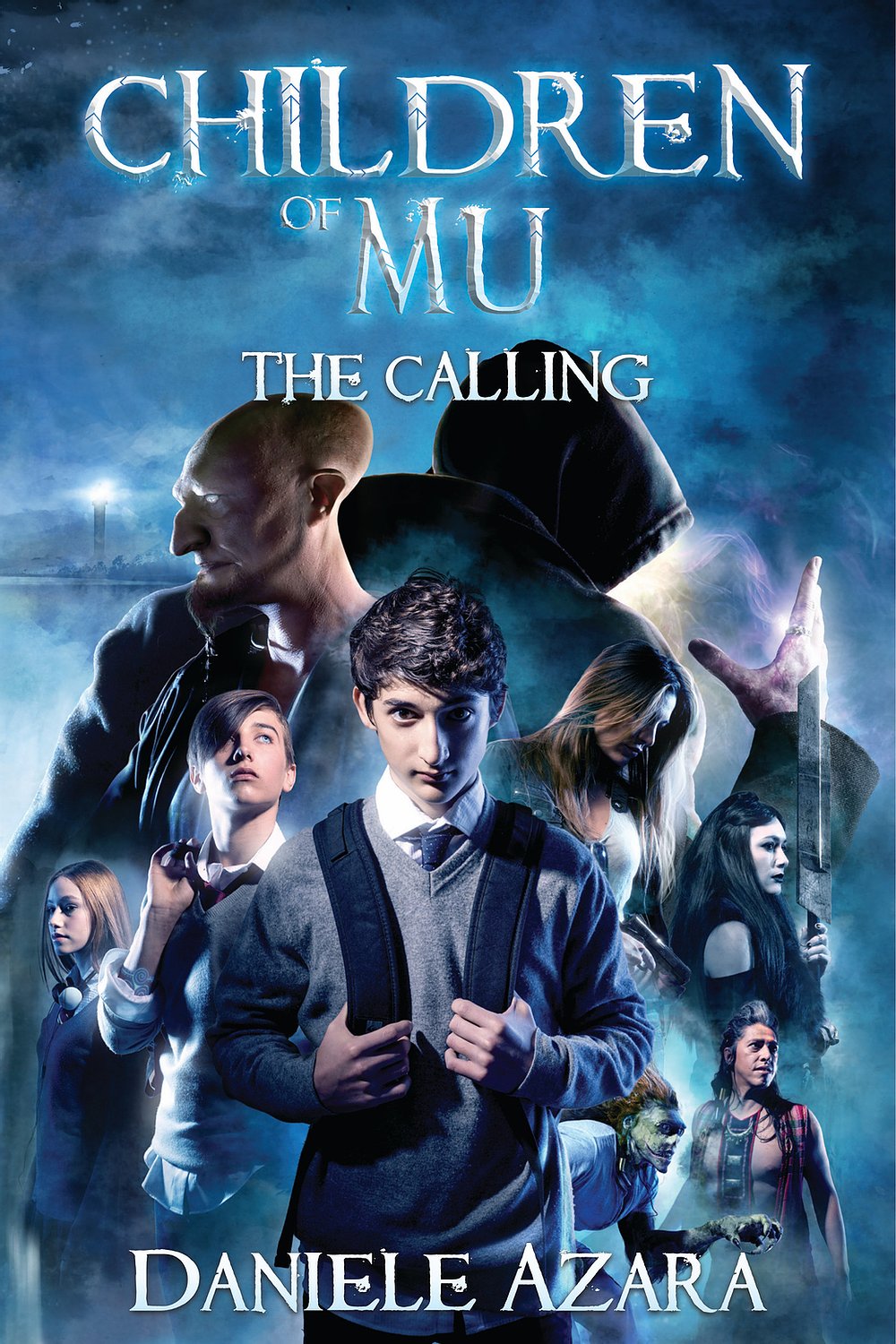
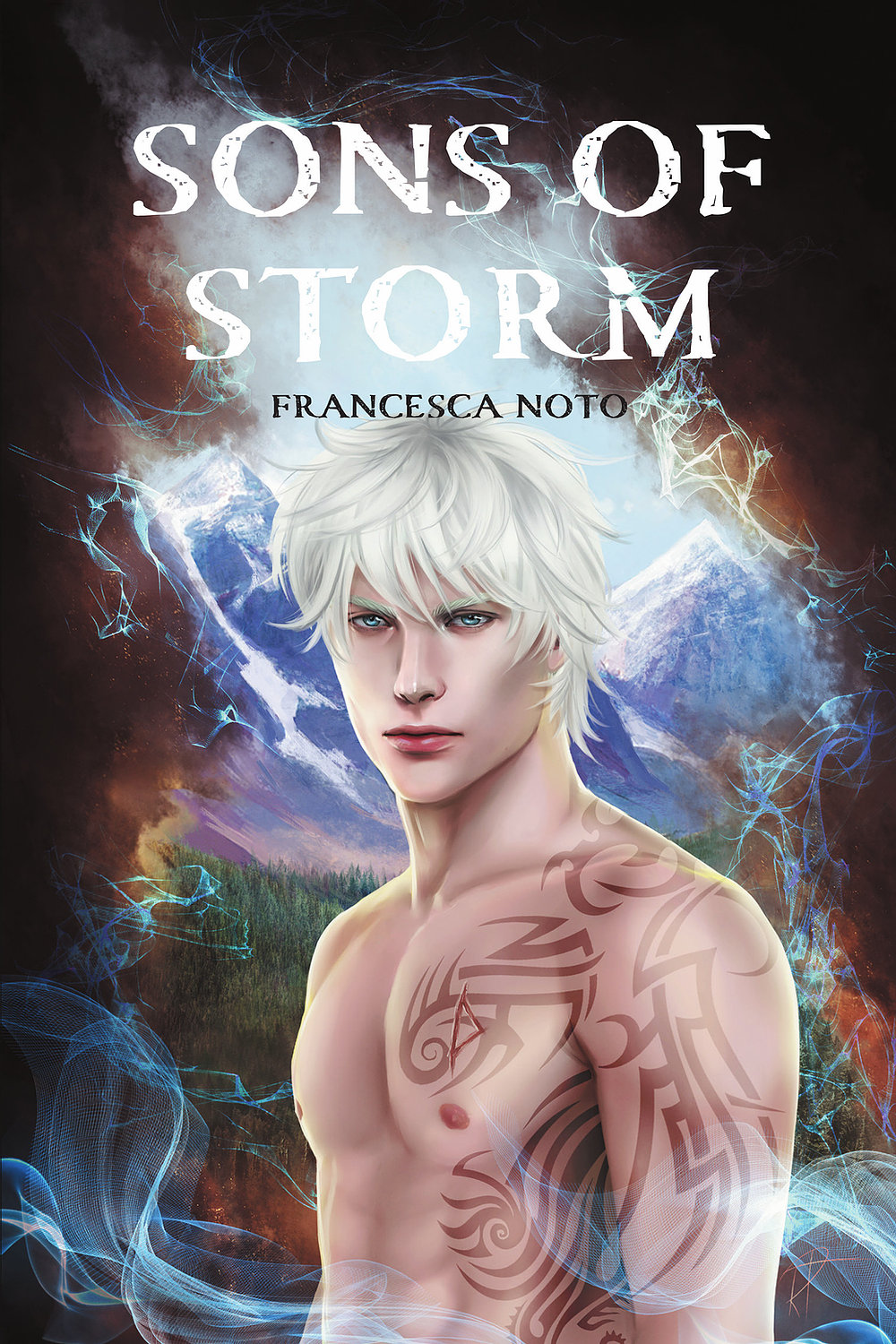
Fiction wise, I have translated two YA Urban Fantasies for publication for authors from my home city of Rome. The first is Children of Mu by Daniele Azara, and the second Sons of Storm by Francesca Noto. They had interesting technical aspects, because they were both based on different mythologies: Daniele’s book on the myth of Atlantis and Mu, and Francesca’s on Norse mythology. The terminology had to be translated right. It was also really great fun to work on texts which felt so familiar to me: there was something very Italian in their style, which made me quite homesick!
What advice would you give to aspiring translators?
Aside from the mental benefits of switching between languages, they are in themselves great fun to learn. Also, people who have a passion and a knack for it should pay attention to the signs and pursue their career, either as a simultaneous interpreter or as a translator. I clearly remember copying out the Acadian and Hieroglyphic alphabets when I was a kid (totally pre-internet!), and at school I studied Latin, ancient Greek and, later, ancient Hebrew, at university. I was always fascinated by the cultures which shaped the languages.
The world is becoming smaller and smaller, and there are many fascinating voices from outside the English-speaking world who need to be heard. Let’s welcome them in and, particularly in my publishing field of genre fiction, let’s work towards seeing English as a bridge, not as a replacement of identity.
You can find Francesca on Twitter and learn more about some of her translated works on the Luna Press Publishing website.