Guest Article: Allan Cameron on Vagabond Voices
April 21, 2021Vagabond Voices is an independent Glasgow-based company committed to introducing new titles from Scottish authors and translating fiction from other languages. We’re delighted to feature a guest article from Vagabond Voices’ founder, Allan Cameron, in which he details his early publishing experience, first London Book Fair visit, and the gradual expansion of Vagabond’s international list.
Perhaps the right place to start with Vagabond Voices’ original statement about what kind of publisher it wanted to be. Its purpose has always been to concentrate on novels, with a particular emphasis on translated novels. Founded at the end of 2008, the publishing house immediately declared that it was ‘both Scottish and fervently European in its aims.’ The novels originally written in English were to be called ‘Vagabonds’ because ‘Novelists do not always resemble vagabonds literally, although many do. But like vagabonds, they are itinerant always in their minds and often geographically too. They move quickly across a landscape, recording it, examining it and often misunderstanding it, because it is not the job of the novelist to utter the final truth on anything, but rather to go in search of small truths while leaving some work for their creative partners: the readers.’
And we chose to call the translated novels ‘Changelings’ because ‘A changeling is not in fact the original child or creation; it has the same appearance, but speaks a different language. And the act of substitution involves a certain magic, a degree of pushing and shoving.’ We feel that every translation is only one way of interpreting a text in another language, as a comparison of various translations of a classic work can quickly confirm.
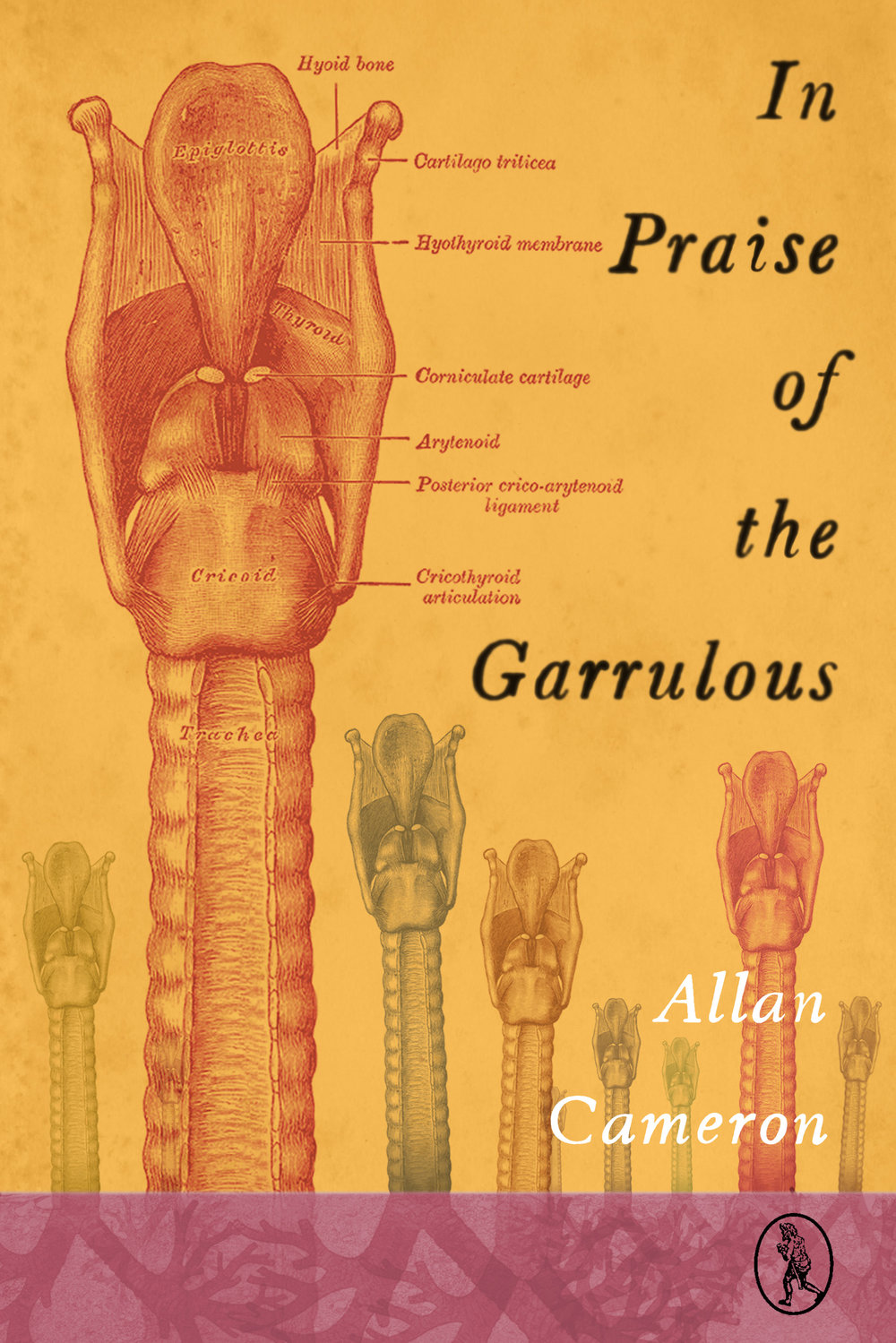
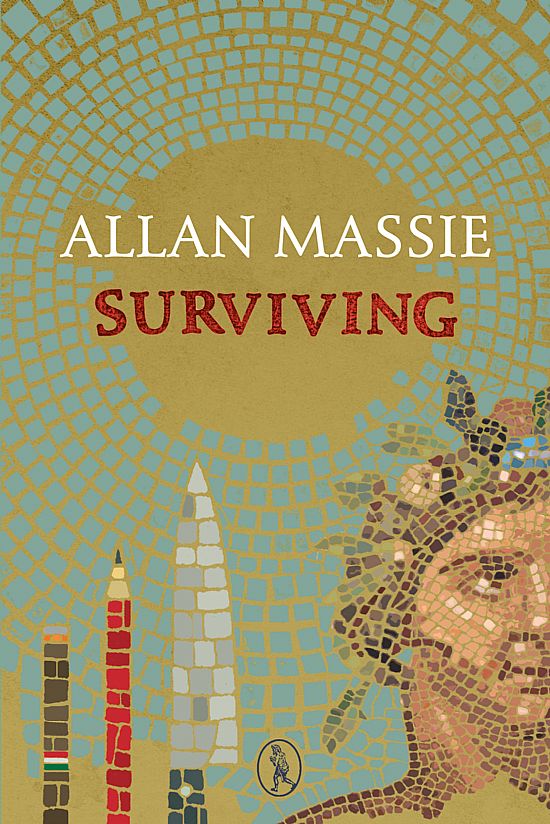
In the end, the reason for setting up Vagabond Voices was my inability to get my book on language, In Praise of the Garrulous, published in the form I wanted, but I had long been thinking of doing this because I believed that many interesting novels were not getting translated into English and I strongly believed that they should be. In particular I had wanted to translate The Anonymous Novel and The Nocturnal Library into English, and this is what happened in 2010. In Praise of the Garrulous did well, and the following three books also did reasonably well, by which I mean that at least one of them, Freudian Slips by Luciano Mecacci, made a small profit (only because of generous funding from abroad) and another, Surviving by Allan Massie, would have made money if I hadn’t printed so many copies, and in any case it wasn’t a disaster. I was learning. The other book was a poetry collection and poetry is not costly to produce.
All this beginner’s luck persuaded me that publishing was easy and established publishers really were philistines unwilling to take more risks, but I was to learn that they were in fact eminently sensible at least in business terms, because various changes in the publishing world had made it almost impossible for publishers to take on the same risks they had in the previous century. There were many reasons for this, amongst which the demise of the Net Book Agreement (which fixed pricing to the cover price and the extent to which retailers could change their percentage of proceeds) and the appearance of Amazon features as the prime cause (with its 60% margin leaving only 40% for the publisher and author as well as covering other costs such as the printer and distributor). Massie believes that the ability of publishers to know the sales figures of other publishers through Nielsen was another factor. Before that publishers could only judge other publishers by their reviews, and could have been tempted to poach an author in the mistaken belief that critical approbation necessarily leads to profits. That too is very likely.
Pride before a fall, and fall I did. The cause was the two previously mentioned translated novels and another excellent German novel, The Stillness of the Sea by Nicol Ljubić, which landed me in a considerable amount of debt – or to be precise, a considerable amount of credit owed to me by my own publishing house. I then had to work hard to get it out of debt as the only way for me to recover that debt. This I did at considerable personal cost in terms of hard work and penury, and I have often regretted the decision to set up the company, though that is not how I feel now. If I really could go back in time, I admit that I would have done things differently, but the experience has been instructive and, with the hard work of many others, Vagabond Voices produced many excellent editions of significant works that almost definitely would not have been published without its existence. Since then we have had some good years: 2014 in particular, but also 2015 and 2019.
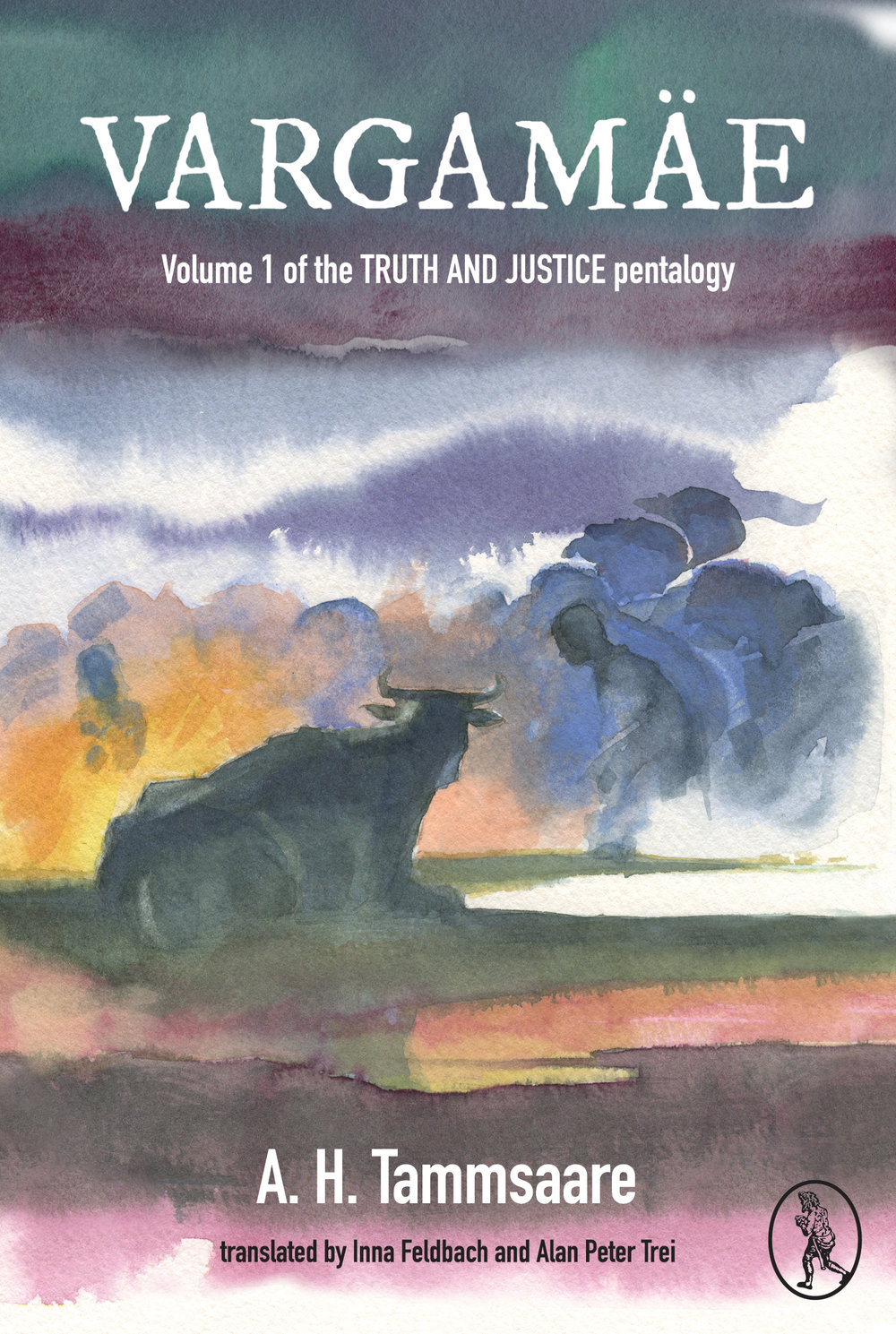
The top of an Icelandic volcano was blown off by an eruption in 2010, and so when I turned up to my first London Book Fair, there was hardly anyone there. Meetings had been cancelled, and so I wandered to where my interests lay, and that was the small nations (plus the Russians, whose literature has always fascinated me and the subsequent encounters led nowhere but were very entertaining). I spoke to a woman at the Estonian stand, and she was actually a cultural attaché called in at the last moment in place of those who had been unable to fly. That conversation, which was interesting in itself, was to have important outcomes and led to my close working relationship with the Estonian Literature Centre and Traducta (their funding organisation).
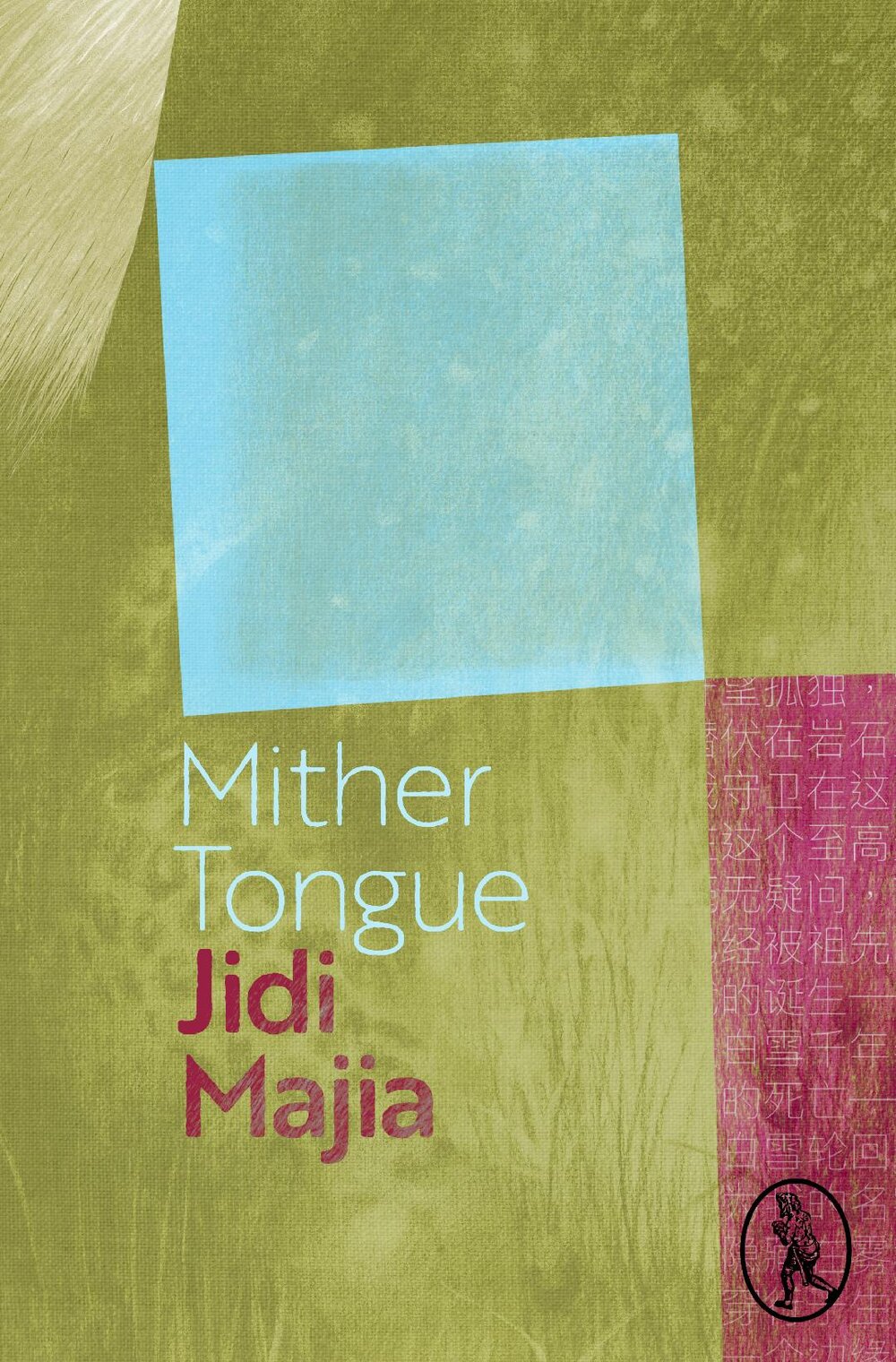
I gradually returned to the publication of translated novels, while keeping my costs under tight control. It is not impossible, just very difficult. We expanded into Latvian, Lithuanian, Swedish and Finland Swedish, maintaining a decidedly Baltic emphasis. It is not so much that we entered the world of publishing without a plan as that we had a plan we constantly had to revise. Nevertheless the ‘fervently European’ element is one we’ve been very loyal to. Having said that, we are very pleased to have finally gone beyond Europe (after various false starts) with the publication this month of Mither Tongue, a collection of Chinese poetry by Jidi Majia translated into English and Scots, which definitely fulfils our original aims, for although our European identity is strong, our identity as human beings living on this shrinking and fragile planet is even stronger.
Vagabond Voices also publishes poetry (Vagabond Poets), political polemics (Rants), plays (Vagabond Playwrights) and academic works (Contemplations).
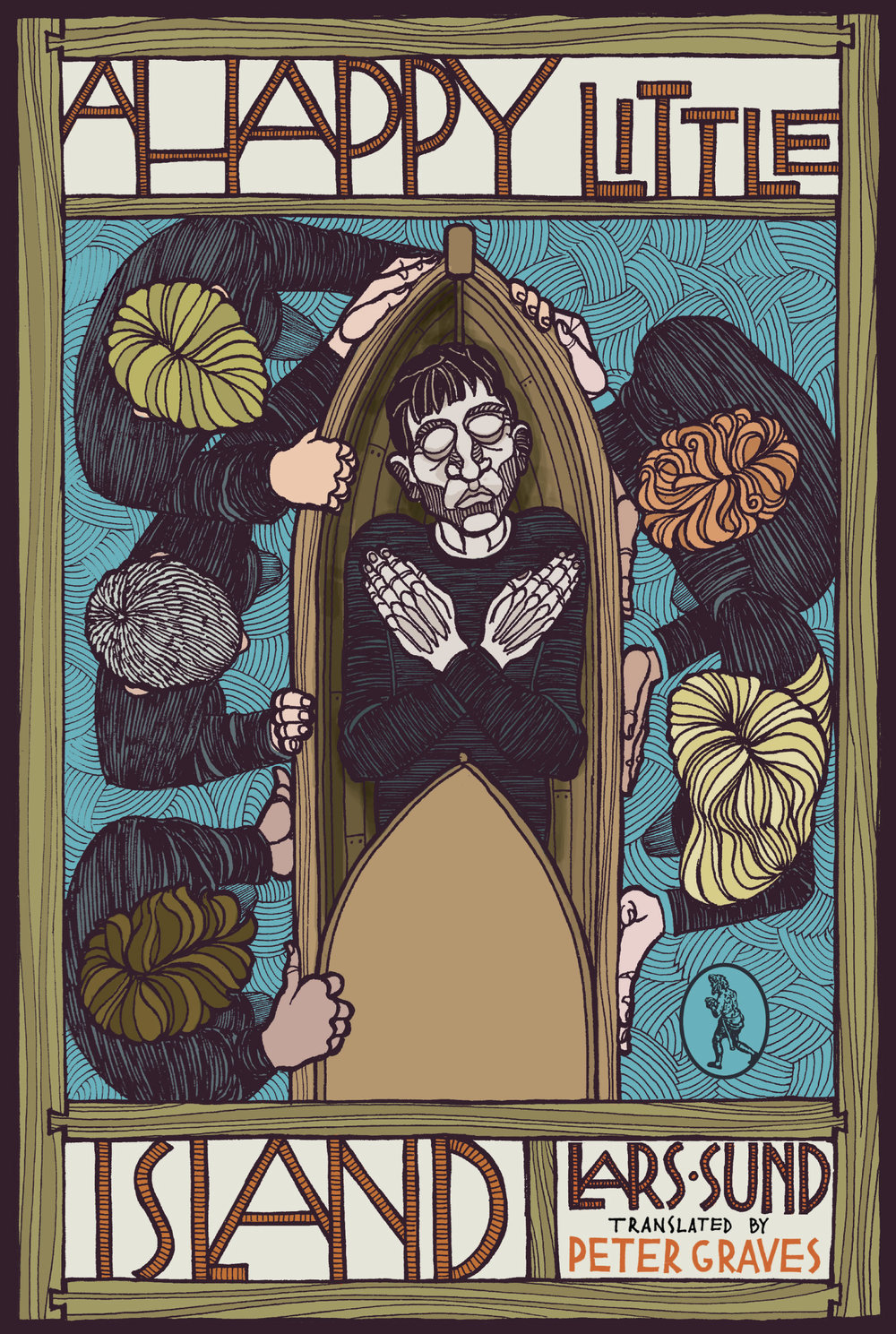
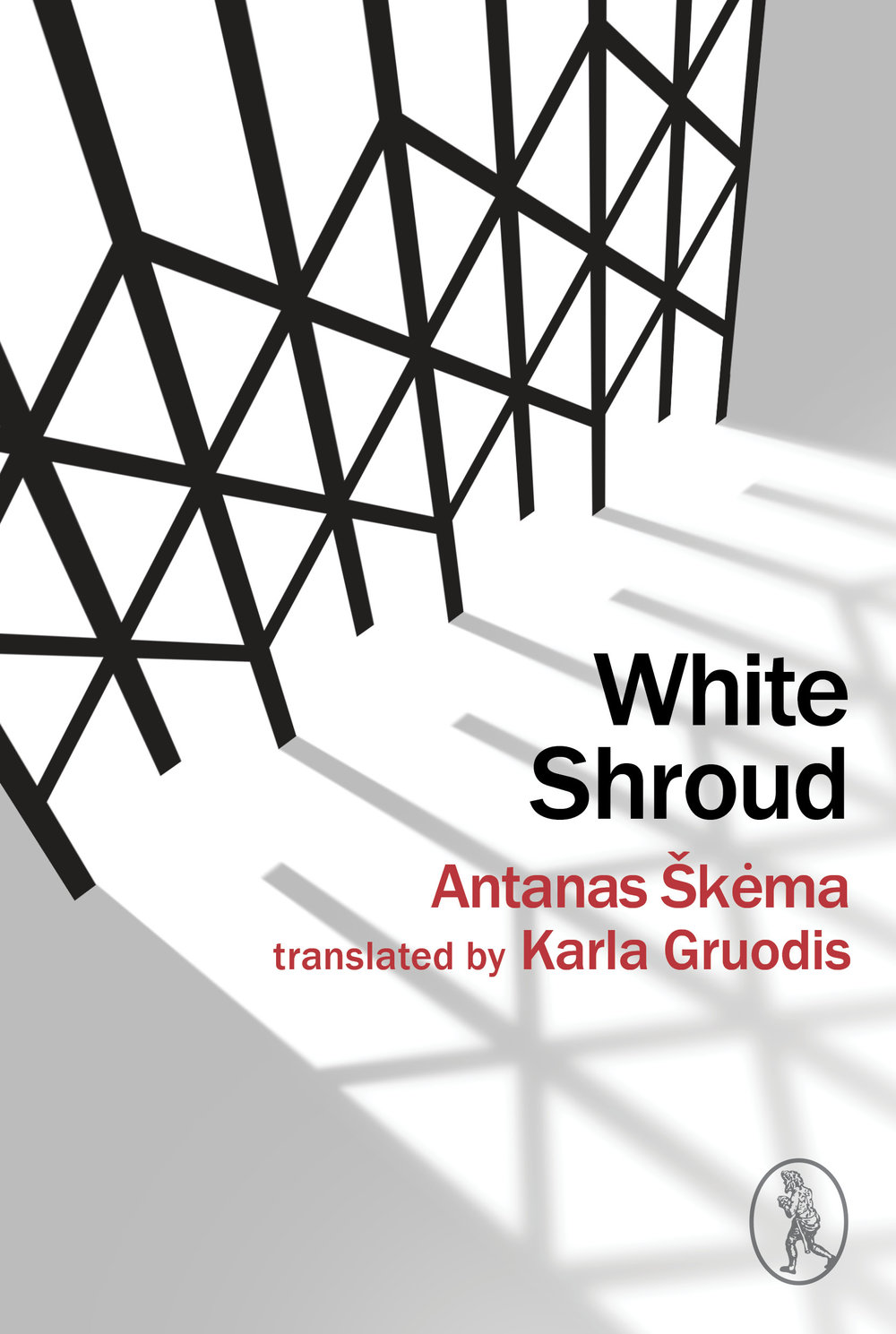
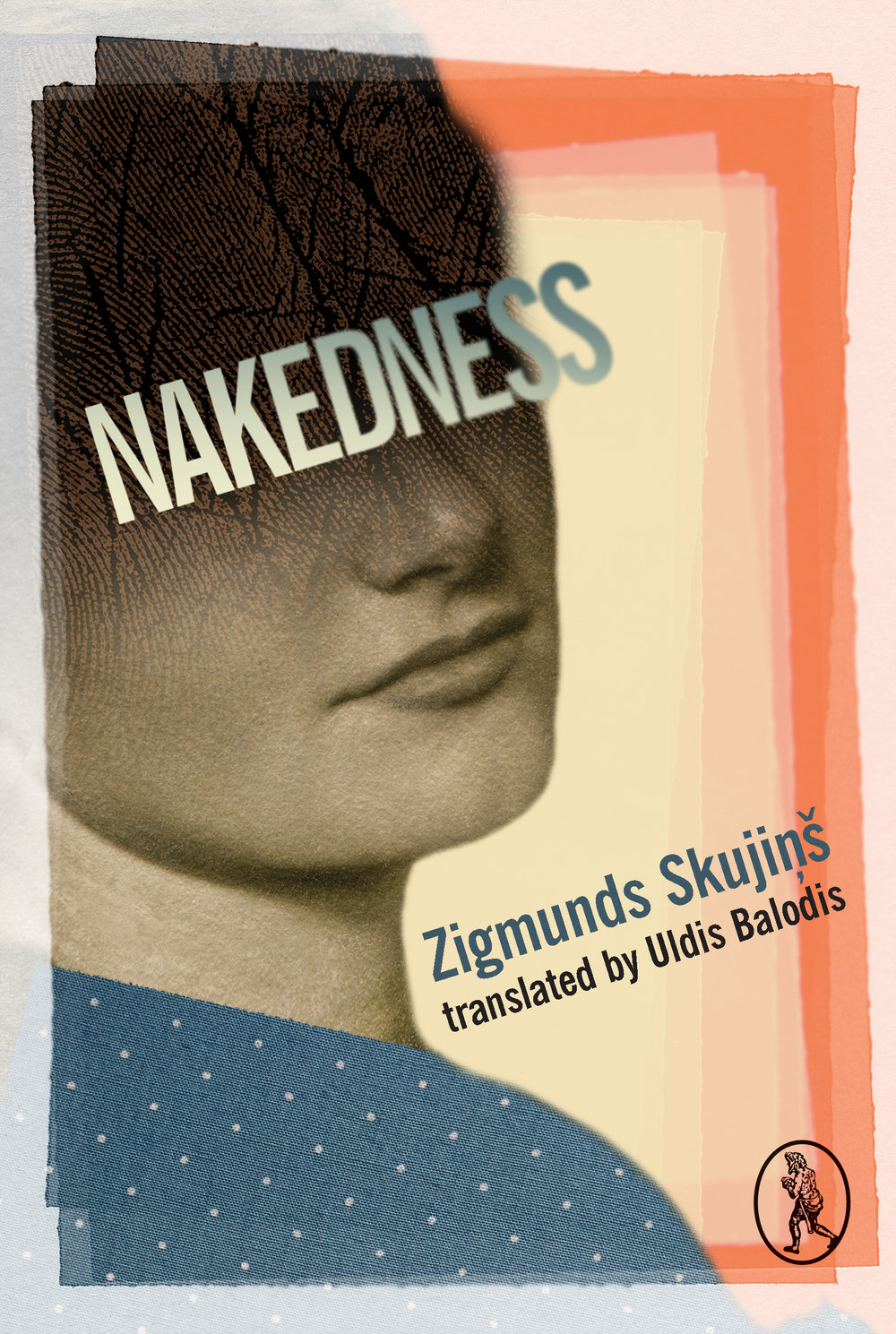
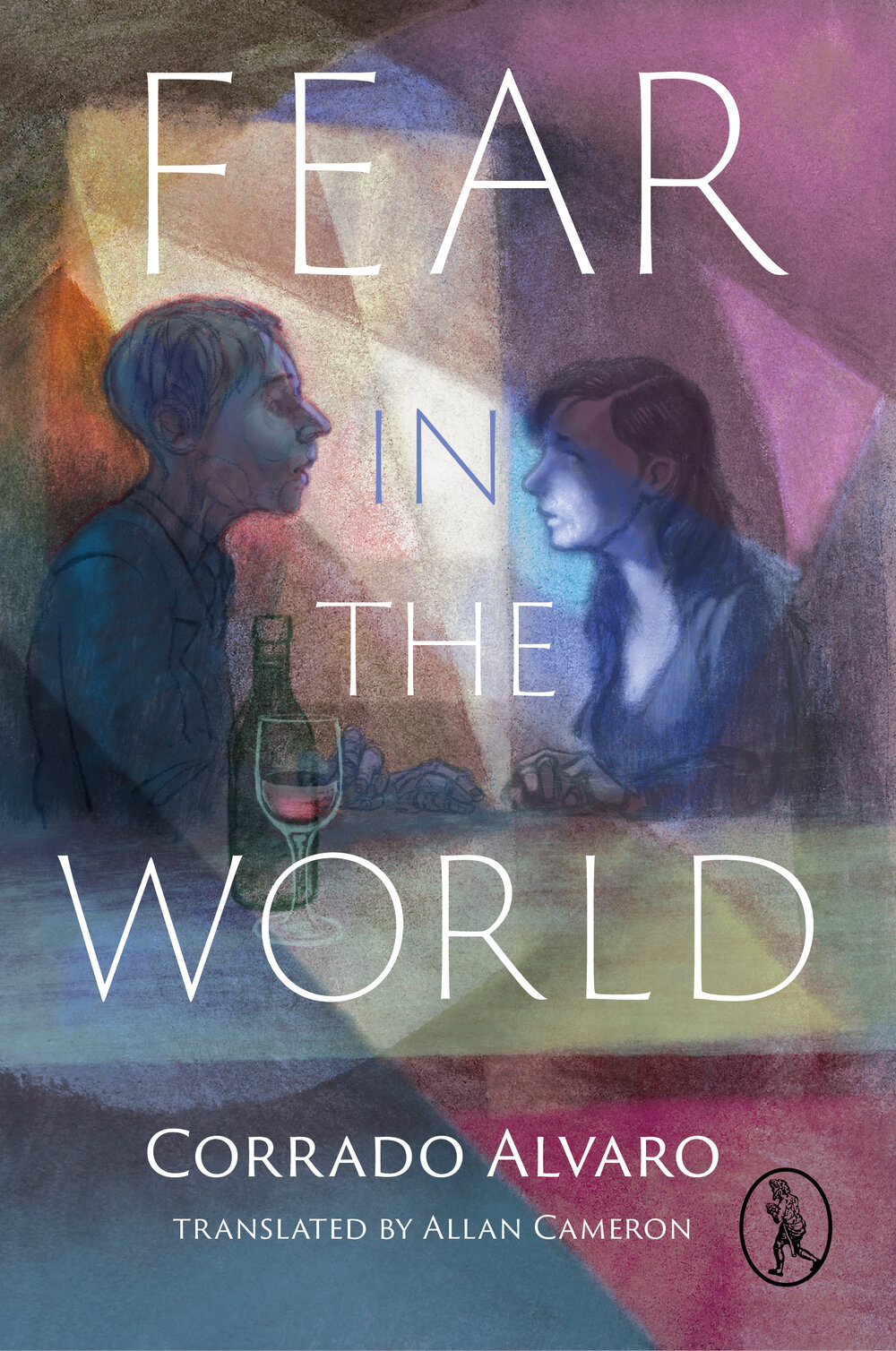
See below for a selection of Changelings (translated novels):