International Publishers: Éditions Métailié (France)
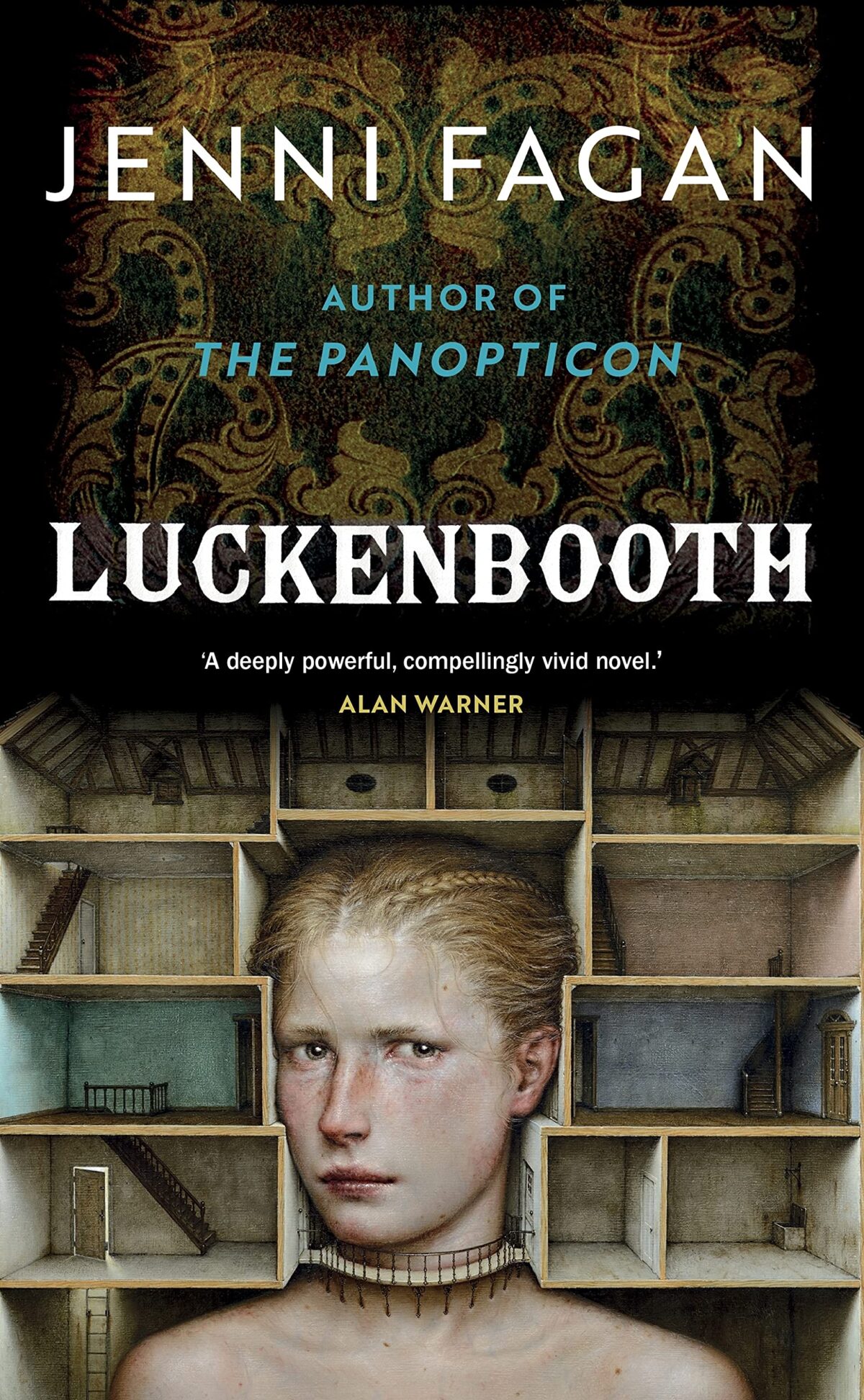
August 4, 2021Established in 1979, Éditions Métailié is an independent publisher based in Paris. It is one of the major French publishers in the field of literary translation, covering a large range of languages and literatures, including English, German, Icelandic, Portuguese, Scots, and Spanish. Their Scottish literature collection (Bibliothèque Ecossaise) includes a number of both established and emerging Scottish authors, and they recently secured rights to publish Jenni Fagan’s novel Luckenbooth. Read our interview with Métailié’s Scottish series editor, Keith Dixon, below.
Could you tell us more about your publishing company? What types of books do you publish?
Anne-Marie Métailié began publishing as an independent company in 1979. The initial focus was on social sciences in French, but this shifted rapidly to translation of Spanish- and Portuguese -language fiction. Since then, while maintaining a close link with contemporary fiction from Latin America (but also Spain and Portugal), Editions Anne-Marie Métailié has become one of the major French publishers in the field of literary translation, covering a large range of languages and literatures, including English, German, Icelandic, Scots, etc.
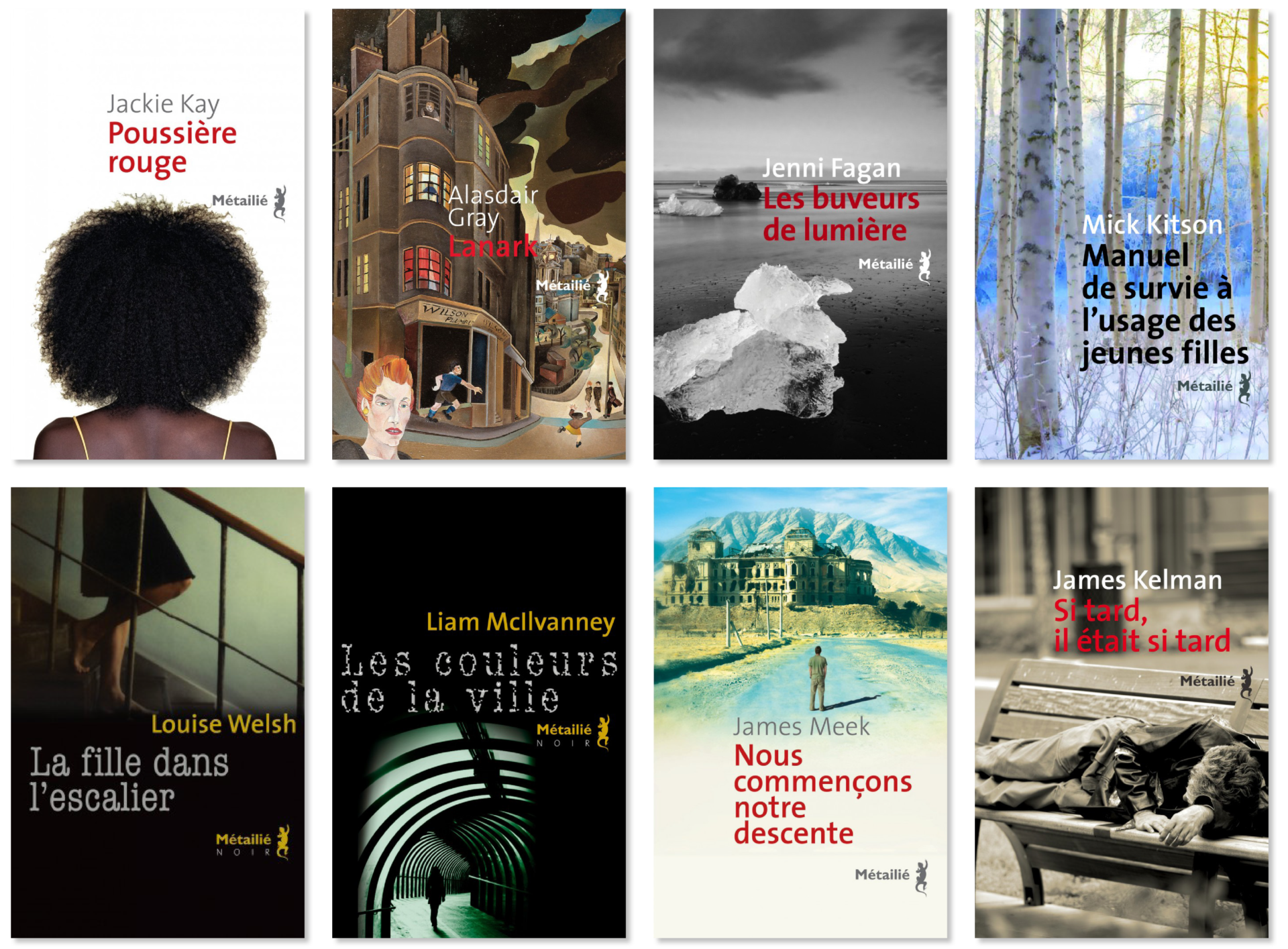
My own link with the publishing house dates back to 1997, at a time when I was looking for a way of promoting Scottish literature in France, to put it on a par with better-known English-language literatures from England, Ireland or the United States. I came from academia, with a special interest in modern Scottish culture and politics. Our initial intention in the Scottish collection, la Bibliothèque Ecossaise, was to publish a mix of Scottish “classics” and contemporary fiction, thus the early choice of Lewis Grassic Gibbon and Alexander Trocchi, but our focus shifted to contemporary writers after the warm reception given to works by James Kelman and Alasdair Gray, among others. Anne-Marie Métailié has long given a special place to crime fiction, and this was also echoed in our choice of Louise Welsh, and later, Liam McIlvanney and Chris Brookmyre. As a result of our efforts over the last twenty-odd years Scottish literature has now a place in the imagination of the French reading public and French publishers are not only now aware of its existence but keen to participate in its promotion.
What inspired you to publish Luckenbooth by Jenni Fagan?
Luckenbooth is in fact the third novel by Jenni Fagan that we have published in translation. My attention was drawn to Jenni Fagan’s work by the reception of The Panopticon in the United Kingdom. This included support from James Kelman whose judgement is a sure one in the realm of contemporary fiction. We are always on the look-out for emerging and if possible innovative writers and Jenni Fagan fits this description well. The reception of The Panopticon (La Sauvage) and The Sunlight Pilgrims (Les Buveurs de Lumière) was enthusiastic in France and we had no hesitation in taking Luckenbooth, although it is in many ways very different from the first two. Jenni Fagan focuses on life on the difficult margins of Scottish society and her voice is a very original one. It was our belief that modern and contemporary Scottish literature has a special sensibility towards the lives of ordinary working/workless people and this was a Scottish particularity within the European literary polyphony that we were keen to support.
How do you look for books to translate?
As a specialist in contemporary Scottish culture it was part of my university job to read recent fiction. Although for many years I focused on the literary renaissance of the inter-war period, I finally became familiar with the contemporary world of Scottish fiction and therefore had no doubts about who I wanted on the list when we began publishing in the late nineties. But above all I have been dependent on the judgement and recommendations of friends within Scottish literary studies, of writers who are already on our list and are keen to help us find new talent, and of some figures from within the Scottish cultural world. The contribution of the late Gavin Wallace, first at the Scottish Arts Council and later at Creative Scotland, was precious and his help in suggesting writers we could look at and in facilitating funding for our translation projects was greatly appreciated. He is much missed. In more recent years the Bibliothèque Ecossaise has become better known in the publishing trade and we are now regularly in contact with writers’ agents in the United Kingdom who also keep us informed about new writers emerging on the scene and about the on-going work of already established writers. Unlike twenty years ago there is now some competition between French publishers for the latest Scottish fiction, and this I see as a healthy sign of the recognition of what was once seen in France as a “peripheral” culture.
What is your favourite part of working with translations?
I am not directly involved in the translation work. We have three translators who work regularly on our Scottish collection: Céline Schwaller, Catherine Richard and David Fauquemberg, with some others helping out when the work-load is too heavy. I do however re-read the texts and am in close contact with the translators if they need help. This was the case for Céline Schwaller when she began to translate James Kelman’s The Busconducor Hines. It took her some time to find the right voice in French and, of course, she needed help with the use of Scots in Kelman’s prose. Since those early years Céline Schwaller has excelled in rendering Kelman accessible to a French reading public and her translations have been acclaimed in the French literary press. The same could be said for Catherine Richard whose translations have made John Burnside a familiar figure in French cultural discussion and have given him a large and stable reading audience.
I think that this is the most rewarding aspect of translation work: finding the right voice and then opening the texts we translate out for a new public, not necessarily yet initiated into that other world of Scotland and Scottishness. Although I have insisted on the Scottish dimension, I should point out that our definition of what belongs to Scottish literature is a wide one and we are happy to have a number of new Scots (Meaghan Delahunt, originally from Australia; Dominic Cooper and Mick Kitson both from South of the border; Suhayl Saadi whose family are from Pakistan) in the Bibliothèque Ecossaise.
***
The French translation of Luckenbooth will be published with the support of the Publishing Scotland Translation Fund. Visit Éditions Métailié’s website to browse the full list and get in touch with the company.