
Scottish Books: Environmental Conservation
July 21, 2021From captivating memoirs to well-researched historical studies, the list below features ten recently released or upcoming books on wildlife conservation, environmental history, and climate change.
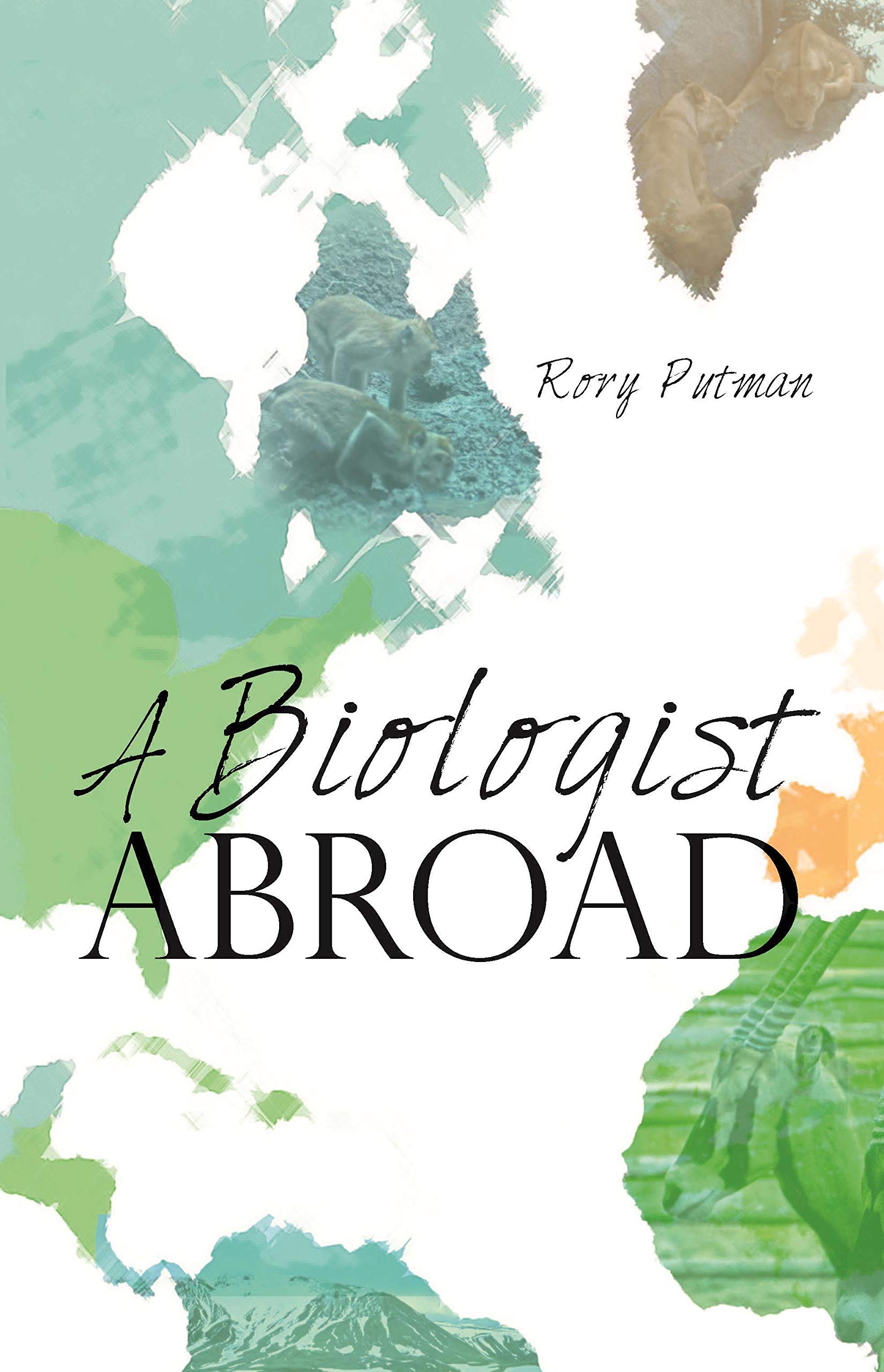
A Biologist Abroad by Rory Putman (Whittles Publishing)
 Publication date: 26 February 2021
Pages: 148
A professional biologist with wide experience of working both in the UK and overseas, Rory Putman takes us with him on working trips to Iceland, East Africa, Nigeria and Indonesia, introducing us to the countries and their people, their natural history, and explaining some of the wildlife issues which have prompted himself and his colleagues to travel there in the first place. The stories cover episodes from more than four decades of working as a jobbing biologist overseas.
The understanding required to solve problems and seek solutions to particular issues related to management and conservation of wildlife means that in some way the observer becomes much more intimately engaged, and perhaps gains a different perspective of the country and its culture than might be apparent to a more casual ‘outside’ onlooker. To some extent, that deeper involvement enables Rory Putman to give the reader more of an inside view and introduction to the countries and their wildlife from a wholly personal perspective.
Like many other enthusiastic naturalists, the author enjoyed experiencing new habitats and seeing wonderful and exotic species on his travels and this engaging book will carry the reader along on the journey.
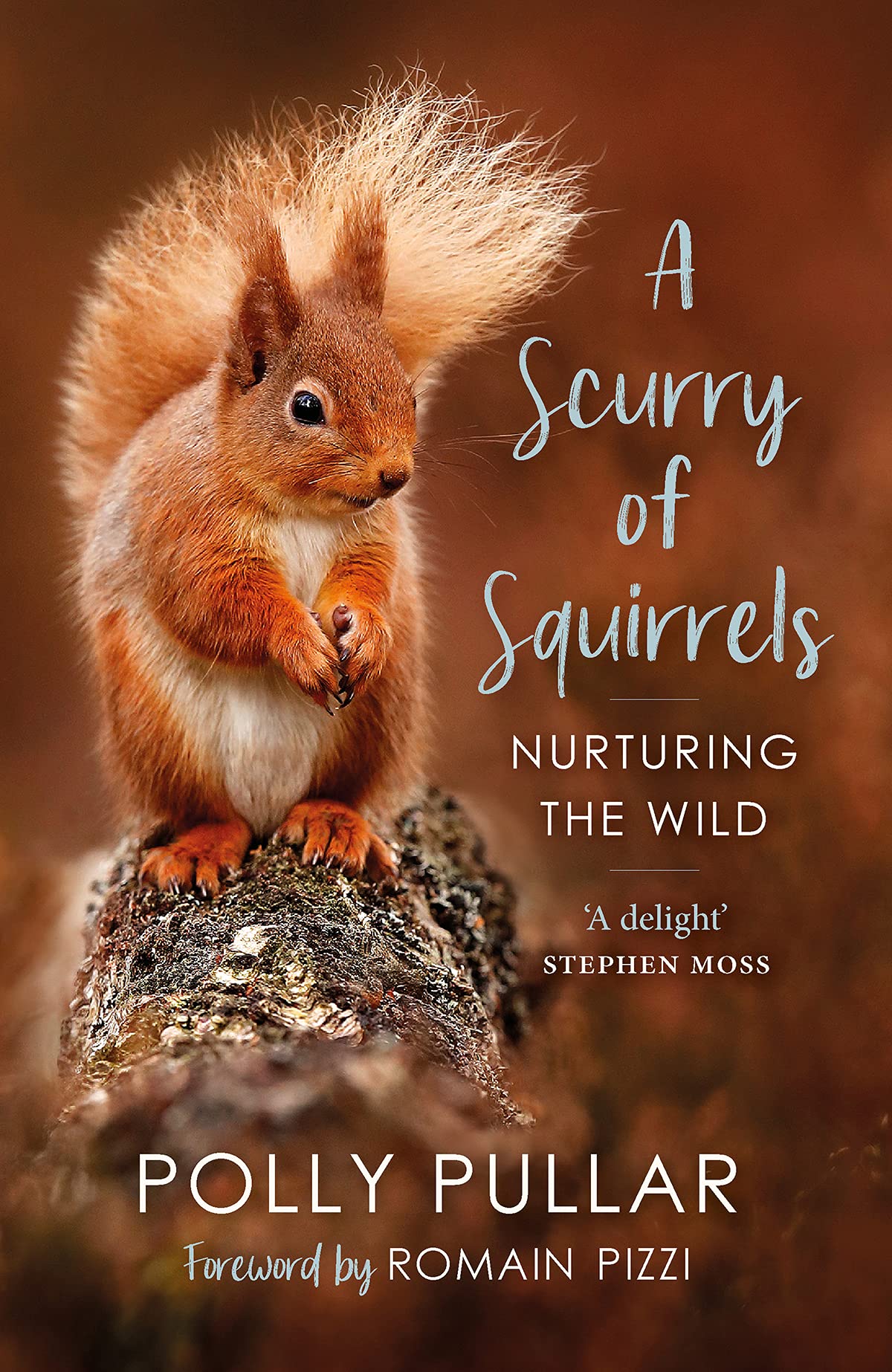
A Scurry of Squirrels: Nurturing The Wild by Polly Pullar and Romain Pizzi (Birlinn)
 Publication date: 1 July 2021
Pages: 240
Polly Pullar has had a passion for red squirrels since childhood. As a wildlife rehabilitator, she knows the squirrel on a profoundly personal level and has hand-reared numerous litters of orphan kits, eventually returning them to the wild.
In this book she shares her experiences and love for the squirrel and explores how our perceptions have changed. Heavily persecuted until the 1960s, it has since become one of the nation’s most adored mammals. But we are now racing against time to ensure its long-term survival in an ever-changing world.
Set against the beautiful backdrop of Polly’s Perthshire farm, where she works continuously to encourage wildlife great and small, she highlights how nature can, and indeed will, recover if only we give it a chance. In just two decades, her efforts have brought spectacular results, and numerous squirrels and other animals visit her wild farm every day.
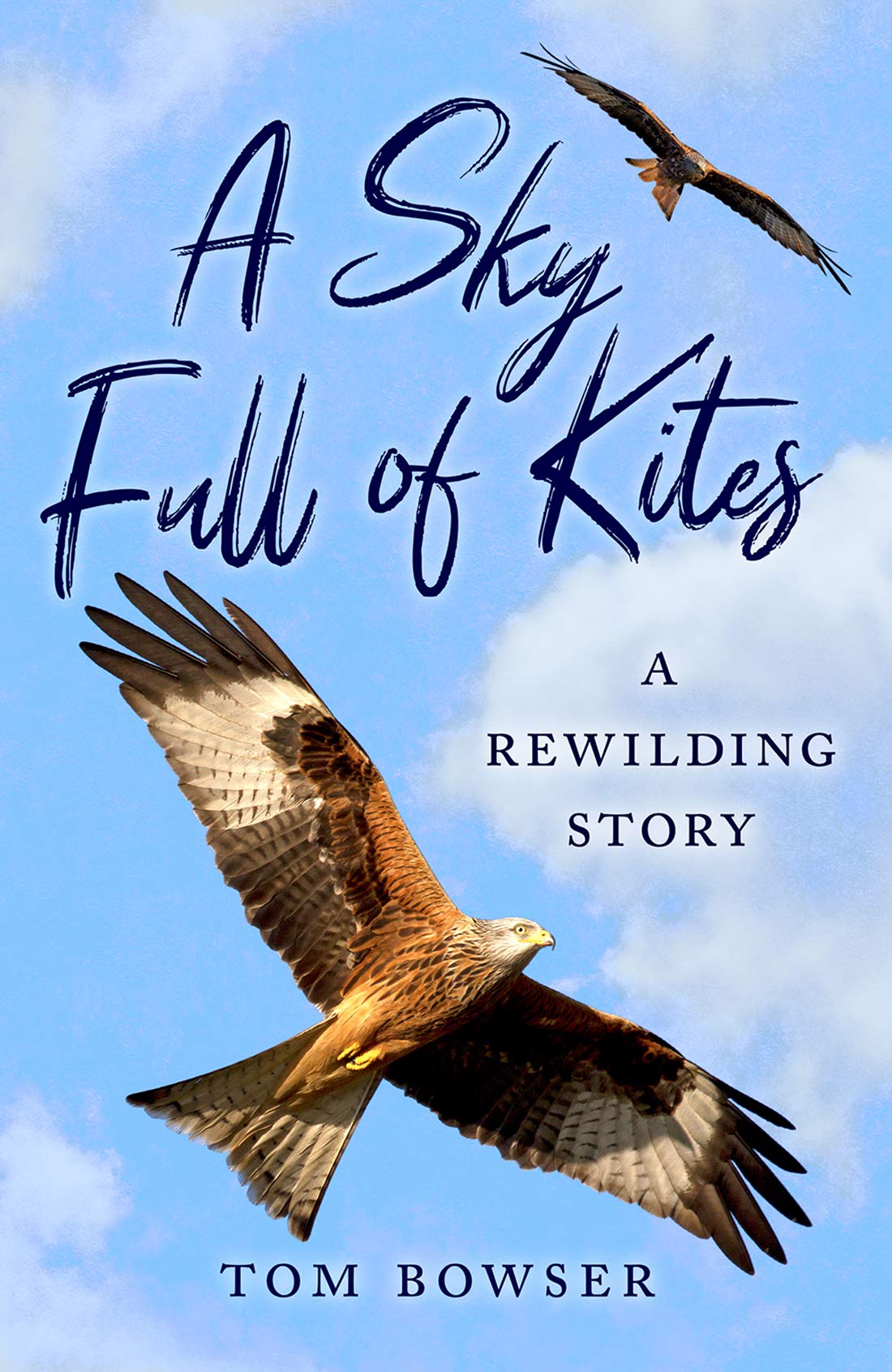
A Sky Full of Kites: A Rewilding Story by Tom Bowser (Birlinn)
 Publication date: 3 June 2021
Pages: 240
Red kites were once Britain’s most common bird of prey. By the early 1900s they’d been wiped out in Scotland and England following centuries of ruthless persecution. When some reintroduced kites began roosting on their 1,400-acre farm at Argaty in Perthshire, Tom Bowser’s parents, Lynn and Niall, decided to turn their estate into a safe haven. They began feeding the birds and invited the world to come and see them, learn about them and fall in love with them.
A Sky Full of Kites is the story of the Argaty Red Kite project, and the re-establishing of these magnificent raptors to Scotland, but it is also much more than that. Ill at ease with the traditional rural values of livestock farming, Lynn and Niall’s son Tom, who returned to work on the farm after a career in journalism, reveals his passion for nature and his desire to dedicate his family’s land to conservation.
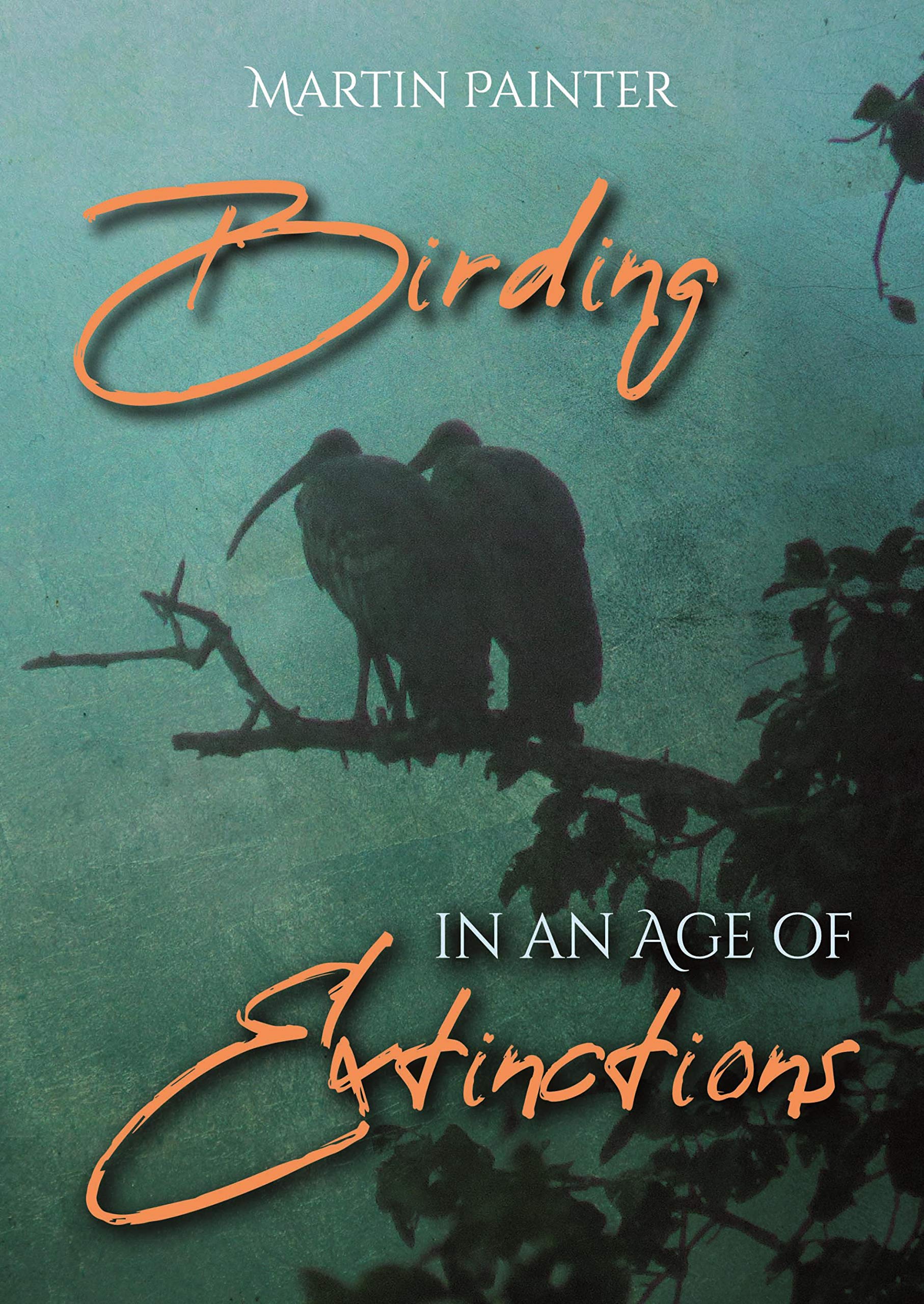
Birding in an Age of Extinctions by Martin Painter (Whittles Publishing)
 Publication date: 31 August 2021
Pages: 224
This is a book about what it’s like being a birder in an age of natural decline. It is part autobiographical – tales of spell-binding birding encounters that left indelible memories – and it is part reflective. The travellers’ tales of birding adventures are about places and events that were variously entertaining, amusing, captivating, inspiring, exciting and awesome, literally. They also feature the amazing, eccentric, dedicated, inspiring people in the birding community. Travels to Madagascar, Cambodia, India and many other places are recalled. There is birding in the Himalayas, in the Australian outback, on the Southern Oceans and in hotel gardens and city parks and there are tales of the ‘big listers’, ‘big-lensers’, professional guides, and local conservation workers who try to keep their habitats safe for us. There are lots of images to accompany these stories.
Martin’s experiences in becoming a birder late in life revealed some strange behaviour which he soon learnt to take for granted as a member of the birding community. Why tear off chasing the next tick when we were having such a good time in the forest we were already exploring? Why was seeing a rare parrot in a cage less significant than seeing a ‘wild’ one that was being hand-fed in a nature reserve? Why was he visiting all those rubbish tips and sewerage farms in search of birds when birding excursions to a forest or a natural wetland were so much more pleasing?
There are chapters about all of these puzzles and oddities, and more – their origins and, in some cases, how they shape our behaviour in somewhat perverse ways – on ‘authentic’ birding, the origins and importance of the life list, on rarities and trophy birds, and why the idea of a ‘species’ is elusive yet so important. All these tales and reflections are shaped by birding during an extinction crisis and the growing biodiversity crisis. As he observed trashed habitats and vanishing bird populations during his travels, Martin’s growing dismay and alarm about these issues coloured everything. So he came to ponder what birders are doing in response, whether it is for good or harm.
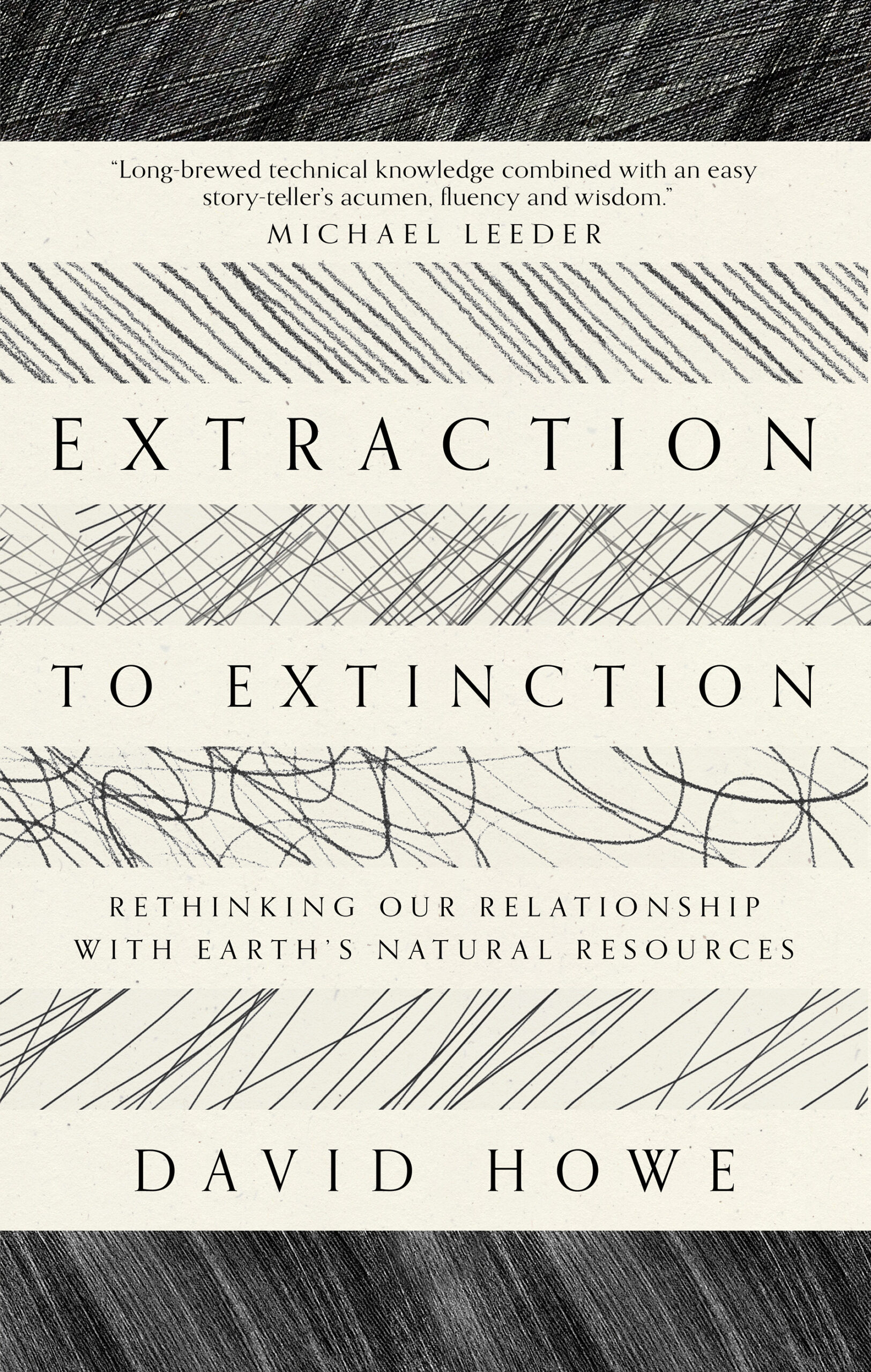
Extraction to Extinction: Rethinking our Relationship with Earth’s Natural Resources by David Howe (Saraband)
 Publication date: 2 September 2021
Pages: 240
Everything we use started life in the earth, as a rock or a mineral vein, a layer of an ancient seabed, or perhaps the remains of a 400-million-year-old volcano.
Humanity’s ability to fashion nature to its own ends is by no means a new phenomenon – we have been inventing new ways to help ourselves to its bounty for tens of thousands of years. But today, we mine, quarry, pump, cut, blast and crush the Earth’s resources at an unprecedented rate. We have become a dominant, even dangerous, force on the planet.
In Extraction to Extinction, David Howe traces our environmental impact through time to unearth how our obsession with endlessly producing and throwing away more and more stuff has pushed our planet to its limit. And he considers the question: what does the future look like for our depleted planet?
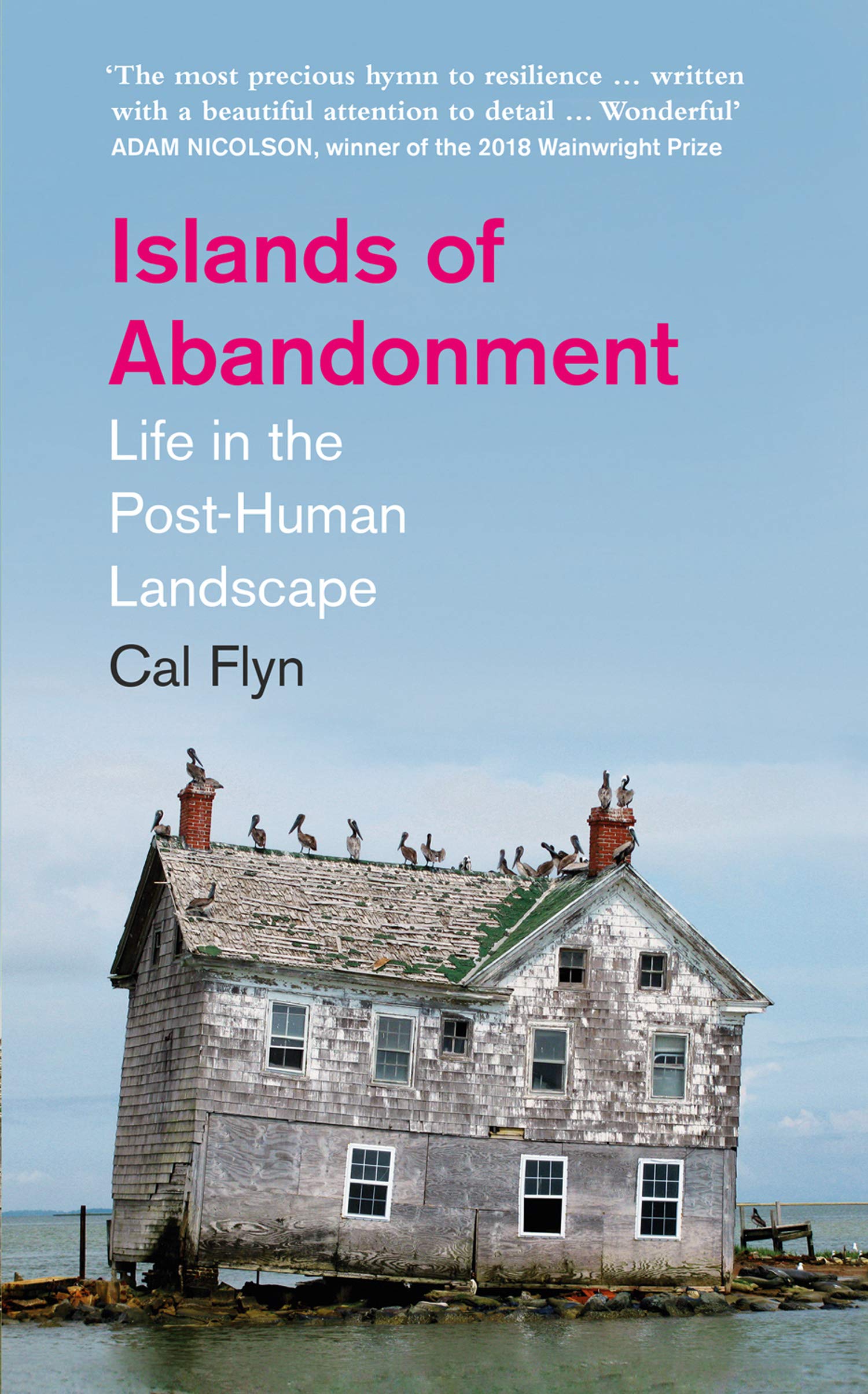
Islands of Abandonment: Life in the Post-Human Landscape by Cal Flyn (HarperCollins)
 Publication date: 21 January 2021
Pages: 384
This is a book about abandoned places: ghost towns and exclusion zones, no man’s lands and fortress islands – and what happens when nature is allowed to reclaim its place.
In Chernobyl, following the nuclear disaster, only a handful of people returned to their dangerously irradiated homes. On an uninhabited Scottish island, feral cattle live entirely wild. In Detroit, once America’s fourth-largest city, entire streets of houses are falling in on themselves, looters slipping through otherwise silent neighbourhoods.
This book explores the extraordinary places where humans no longer live – or survive in tiny, precarious numbers – to give us a possible glimpse of what happens when mankind’s impact on nature is forced to stop. From Tanzanian mountains to the volcanic Caribbean, the forbidden areas of France to the mining regions of Scotland, Flyn brings together some of the most desolate, eerie, ravaged and polluted areas in the world – and shows how, against all odds, they offer our best opportunities for environmental recovery.
By turns haunted and hopeful, this luminously written world study is pinned together with profound insight and new ecological discoveries that together map an answer to the big questions: what happens after we’re gone, and how far can our damage to nature be undone?
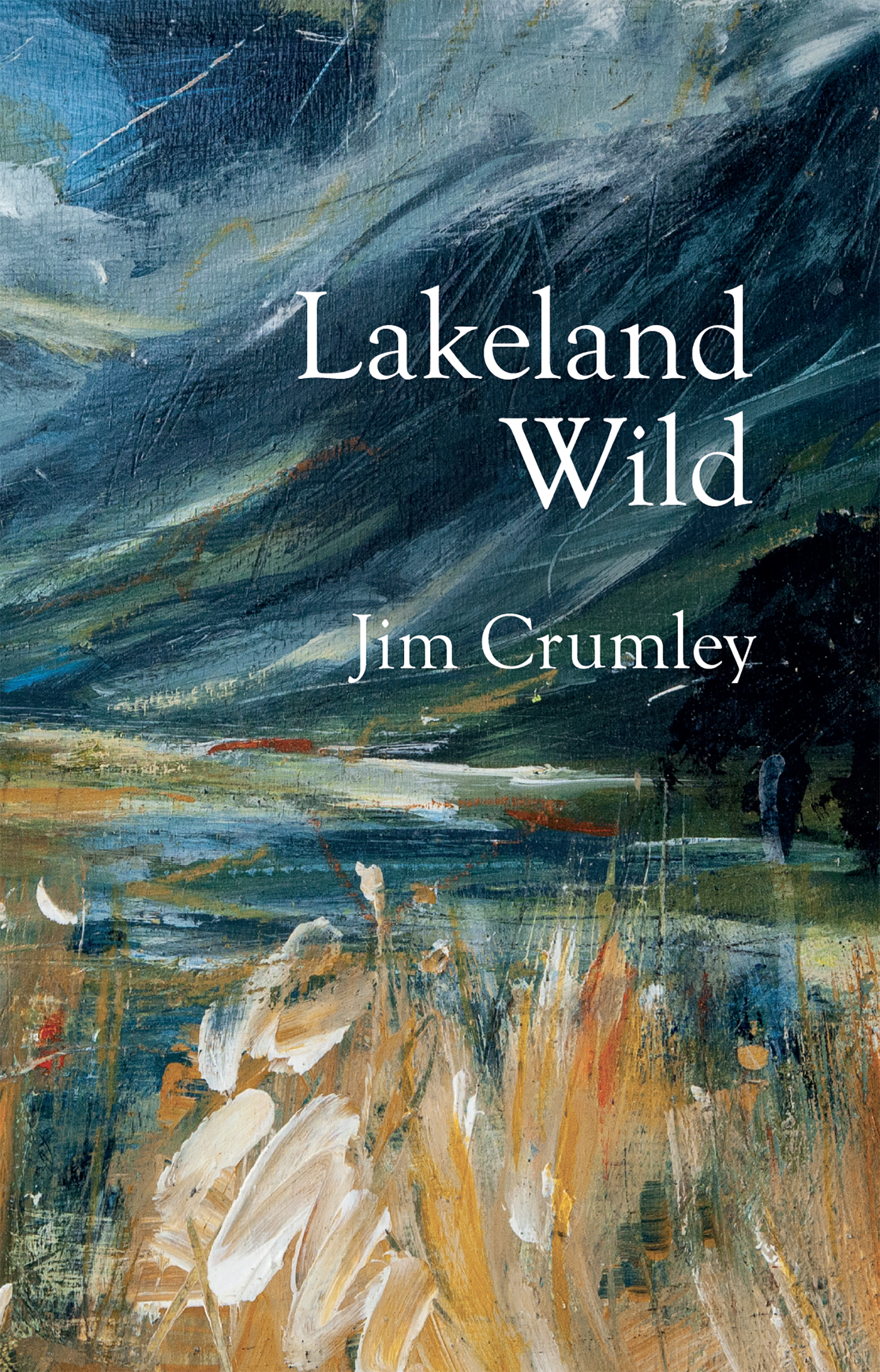
Lakeland Wild by Jim Crumley (Saraband)
 Publication date: 10 June 2021
Pages: 288
The Lake District is one of our busiest national parks. Many people believe that wildness is long gone from the fells, lakes, tarns and becks, yet, within its boundaries, Jim Crumley sets out to prove them wrong – to find “a new way of seeing and writing about this most seen and written about of landscapes”.
With a naturalist’s eye and a poet’s instinct he is drawn to Lakeland’s turned-aside places where nature still thrives, from low-lying shores to a high mountain oakwood that’s not even on the map. Through backwaters and backwoods, Crumley traces this captivating land’s place in the evolution of global conservation and pleads the case for a far-reaching reappraisal of all of Lakeland’s wildness.
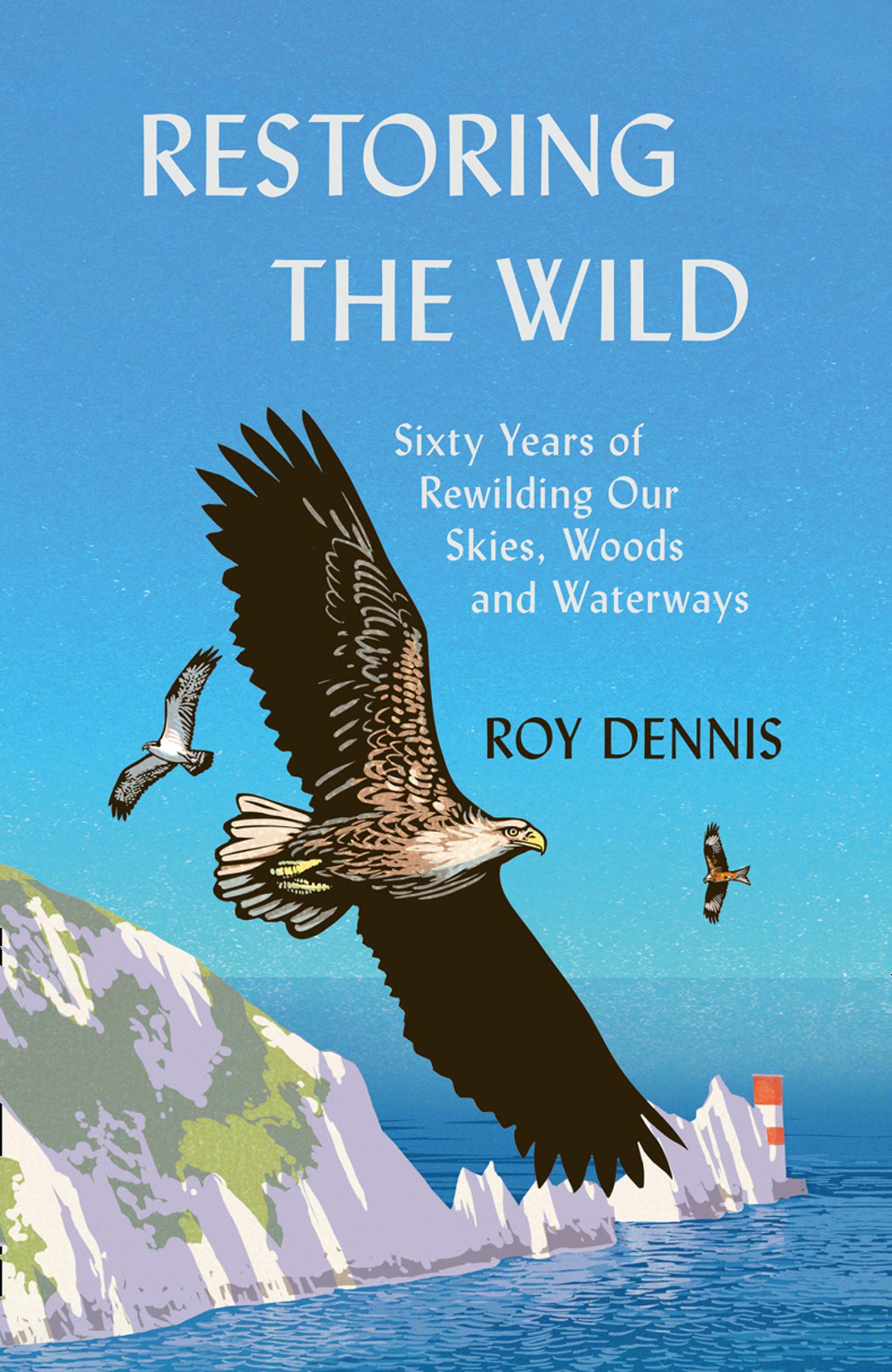
Restoring the Wild: Sixty Years of Rewilding Our Skies, Woods and Waterways by Roy Dennis (HarperCollins)
 Publication date: 15 April 2021
Pages: 464
The distinctive white-tailed sea eagle was driven to extinction in Britain more than 200 years ago, but this immense predator is making a return to our skies, thanks to Roy Dennis, an ornithologist, conservationist and arguably the driving force behind the UK’s reintroduction agenda.
Roy was instrumental in returning the Osprey, red kite and golden eagle to the British Isles, but the road to reintroduction isn’t an easy one. In what will surely be the seminal book on British reintroductions, Roy details the painstaking process of returning the Goldeneye to Scotland, one duckling at a time, the die-hard determination needed to make a dazzling success of the red kite reintroduction and the leap of faith we will all need to make to accept sharing our forests and skies with large carnivores again. He also illustrates all that we have to gain by restoring our ecosystems to balance.
Filled with a lifetime’s worth of stories from the front lines of conservation, Reintroduction offers an eye-opening insight into the complexities of reintroducing extinct animals to Britain. It’s also an intimate portrait of these apex predators and a reminder of why we need them.
The Secret History of Here: A Year in the Valley by Alistair Moffat (Canongate Books)
 Publication date: 3 June 2021
Pages: 384
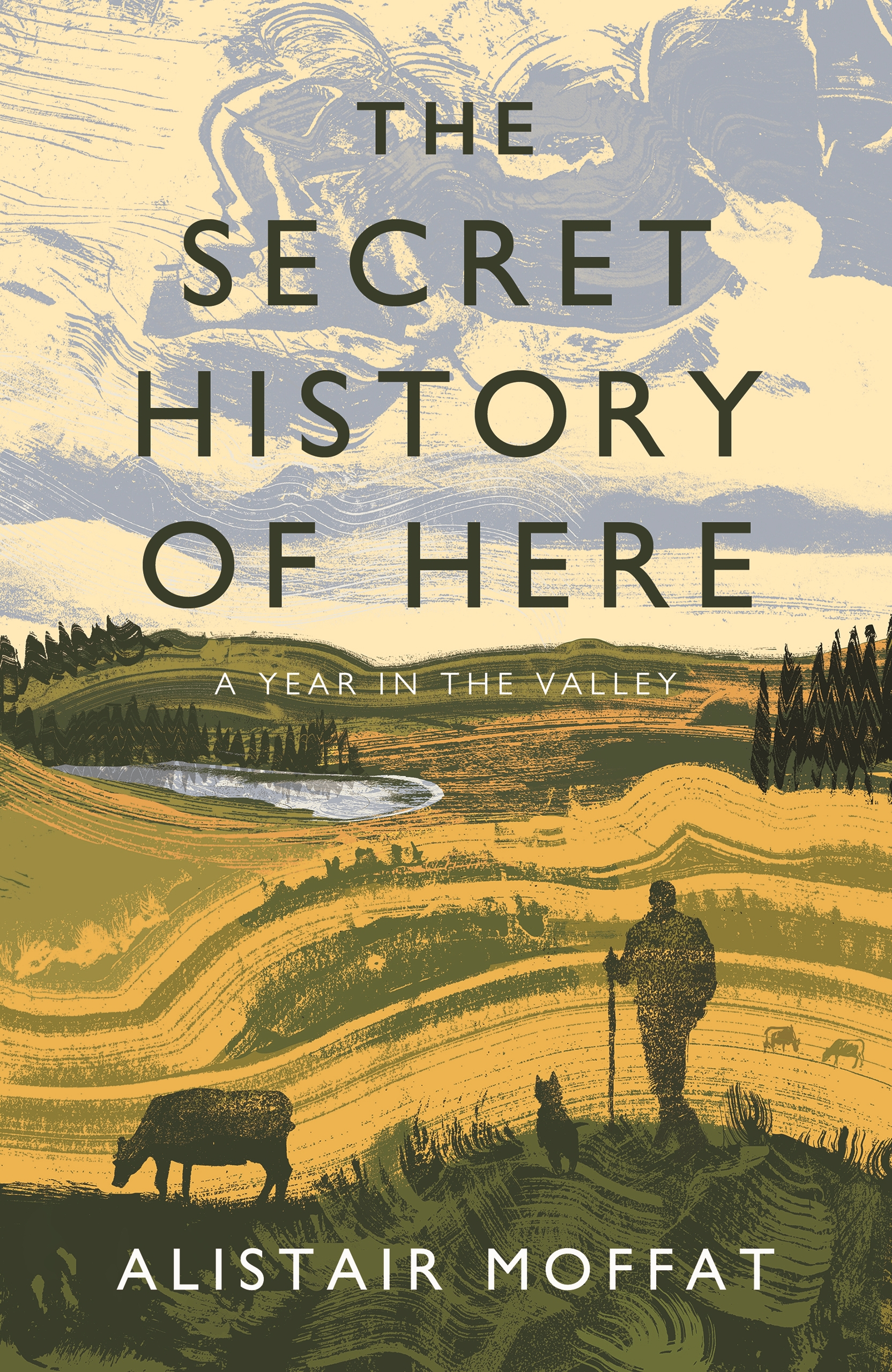
The Secret History of Here is the story of a single place, a farm in the Scottish Borders. The site on which Alistair Moffat’s farm now stands has been occupied since pre-historic times. The fields have turned up ancient arrow heads, stone spindles, silver pennies and a stone carved with the rune-like letters of Ogham. Walking this landscape you can feel the presence and see the marks of those who lived here before.
But it is also the story of everywhere. In uncovering the history of one piece of land, Moffat shows how history is all around us, if only we have the eyes to see it. Under our feet, carved into the landscape, in the layout of paths and roads, in the stories we pass down, our history leaves its trace on the land.
Taking the form of a journal of a year, The Secret History of Here is a walk through the centuries as much as the seasons. We hear the echo of battles long since fought, of lives lived quietly or scandalously, of armies, of kings, of the common folk who mostly inhabited this land, and a little of those that live here now.
Wild Winter: In Search of Nature in Scotland’s Mountain Landscape by John D. Burns (Vertebrate Publishing)
 Publication date: 1 April 2021
Pages: 224
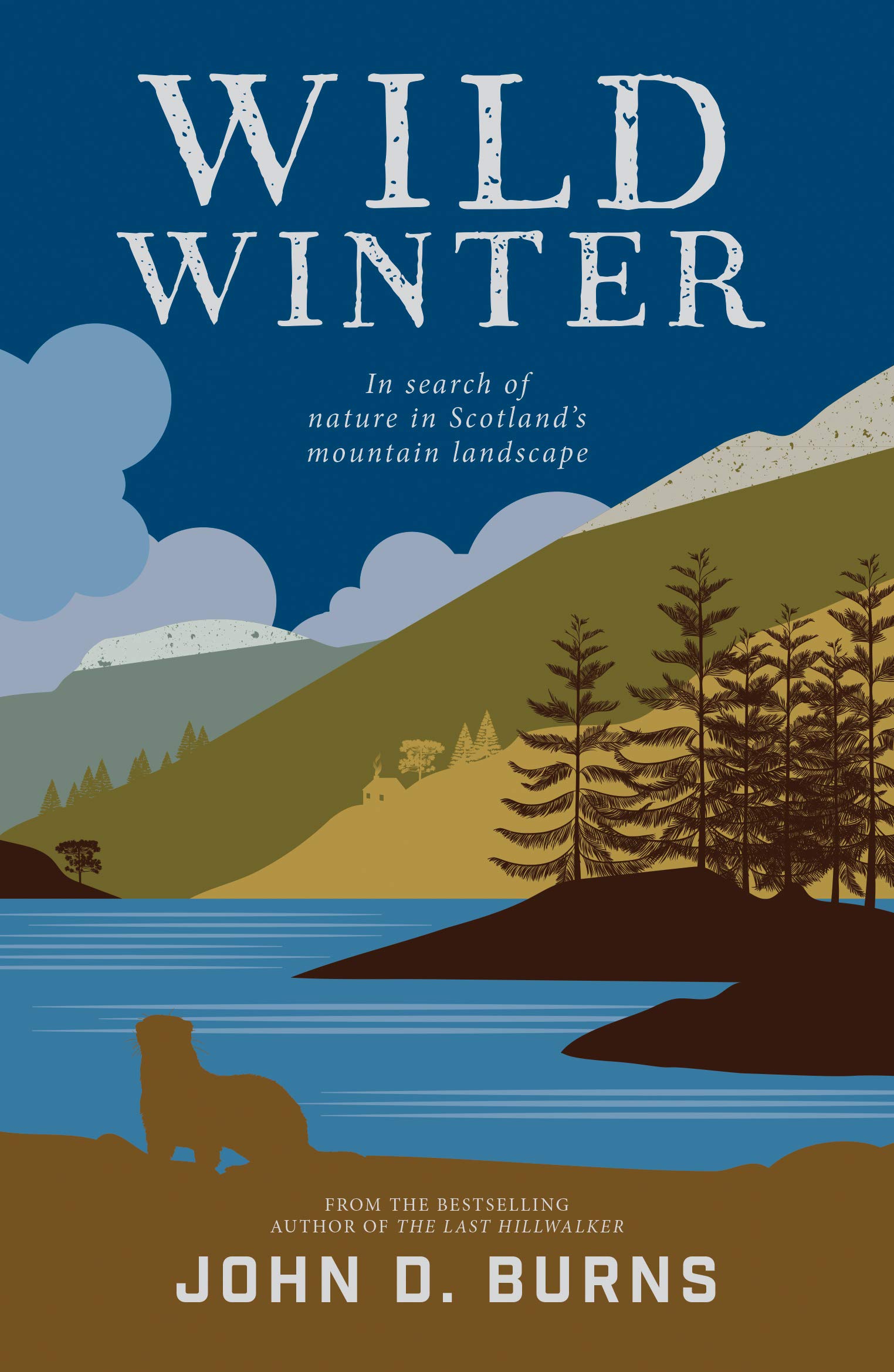
In Wild Winter, John D. Burns, bestselling author of The Last Hillwalker and Bothy Tales, sets out to rediscover Scotland’s mountains, remote places and wildlife in the darkest and stormiest months. He traverses the country from the mouth of the River Ness to the Isle of Mull, from remote Sutherland to the Cairngorms, in search of rutting red deer, pupping seals, minke whales, beavers, pine martens, mountain hares and otters. In the midst of the fierce weather, John’s travels reveal a habitat in crisis, and many of these wild creatures prove elusive as they cling on to life in the challenging Highland landscape.
***
BONUS: A Guide to Climate Change Impacts (Historic Environment Scotland) – free guide
 Publication date: 8 October 2019
Pages: 52
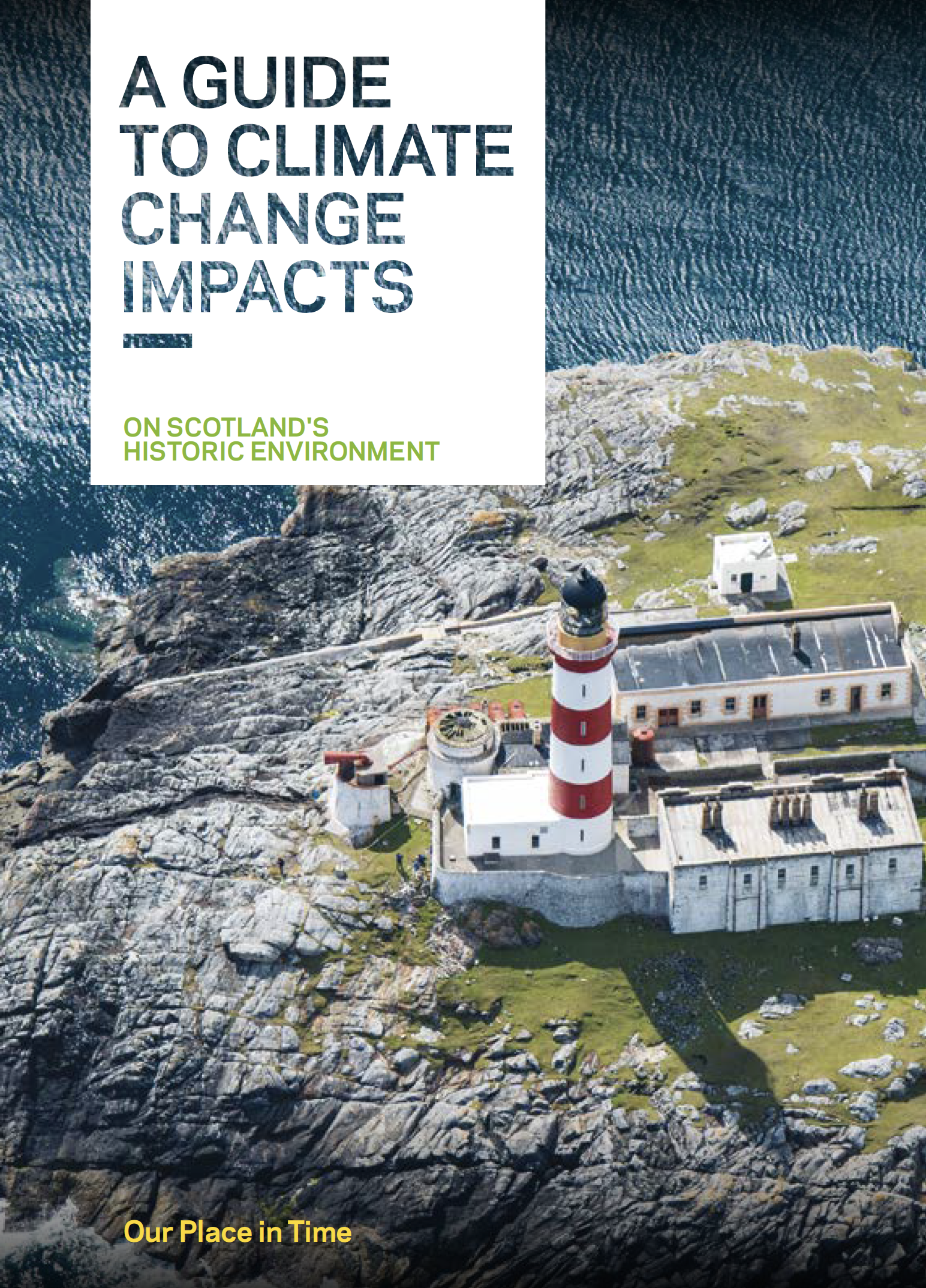
The free guide by Historic Environment Scotland, developed with partners from across the historic environment sector and beyond, can be used to identify and share climate change adaptation solutions, demonstrating the resilience and adaptability of our historic environment.
The guide identifies many of the risks and hazards of climate change that are facing Scotland’s historic environment and offers owners, local communities and carers of historic sites routes to take action, to implement adaptation measures and enhance resilience to climate change.
Divided into seven distinct elements, the guide provides a tool for assessing the different hazards and levels of risk that threaten different types of sites in Scotland’s historic environment.
You can download the guide here.