Translator Q&A: Marilyn Booth
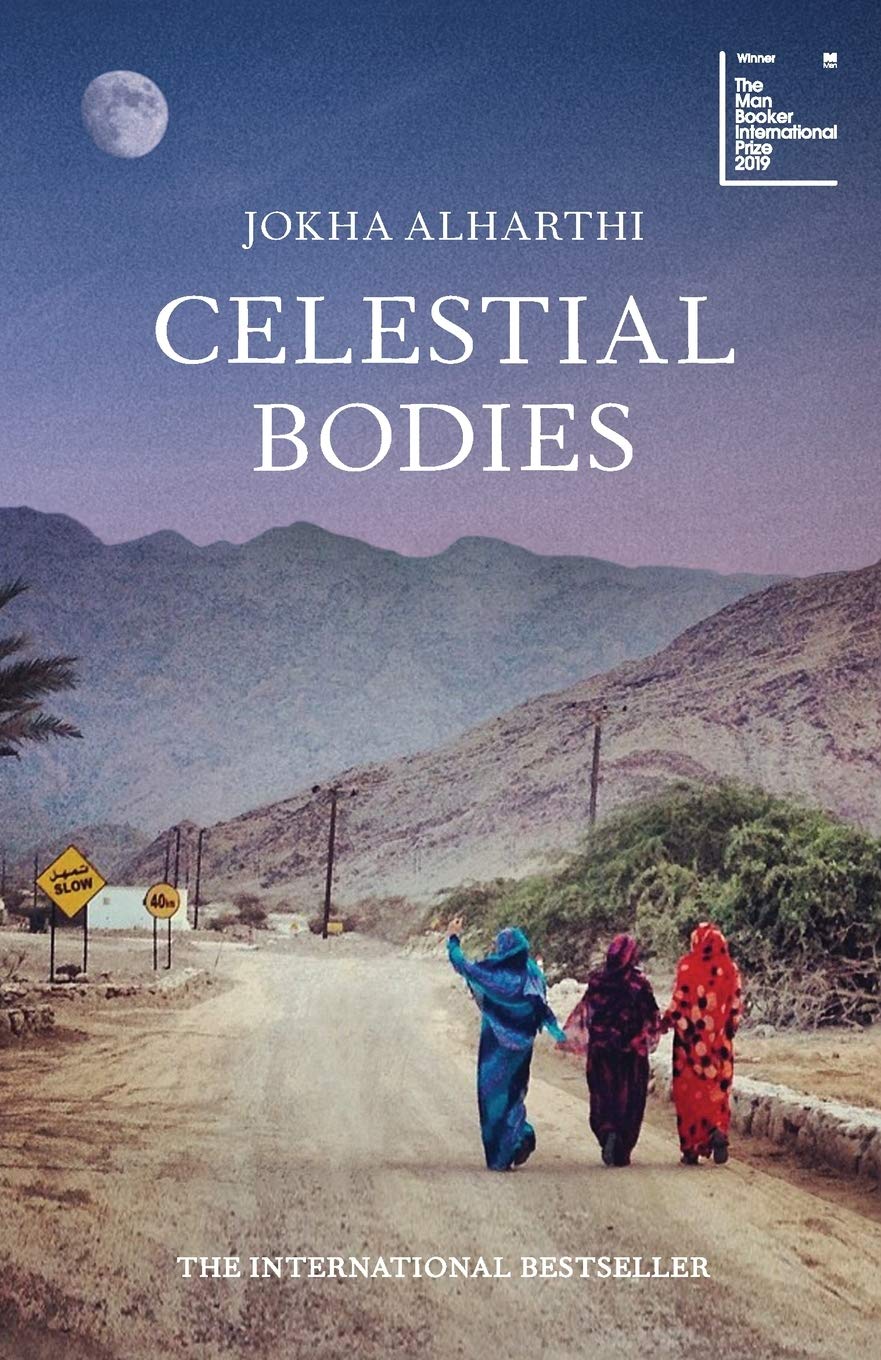
June 1, 2021On being a ‘translation activist’ and the need to insist on clear and fair translation rights: our latest Q&A is with Marilyn Booth, Al Saud Professor for the Study of the Contemporary Arab World at Oxford and translator of Arabic fiction. Booth’s portfolio includes Jokha Alharthi’s Celestial Bodies (Sandstone Press), the winner of the 2019 Man Booker International Prize.
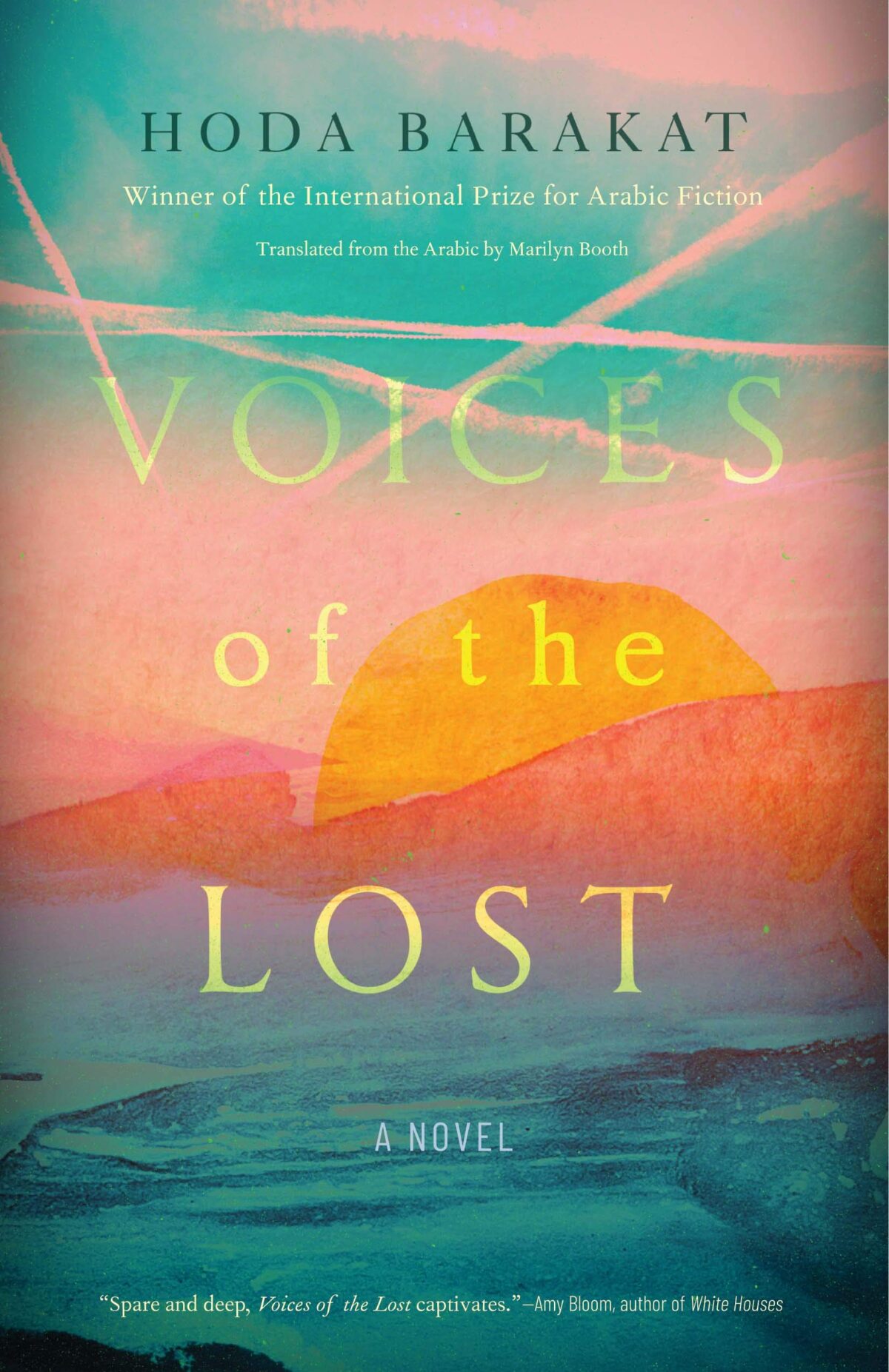
Marilyn Booth is Al Saud Professor for the Study of the Contemporary Arab World, Oriental Institute and Magdalen College, Oxford. Her most recent monographs are The Career and Communities of Zaynab Fawwaz: Feminist Thinking in fin-de-siècle Egypt (2021) and Classes of Ladies of Cloistered Spaces: Writing Feminist History in fin-de-siècle Egypt (2015); in 2019, she published the edited collection Migrating Texts: Circulating Translations around the Ottoman Mediterranean. She has translated many works of Arabic fiction into English, including recently Jokha Alharthi’s Celestial Bodies (2019 Man Booker International Prize), The Penguin’s Song and No Road to Paradise by Lebanese novelist Hassan Daoud, and Hoda Barakat’s Voices of the Lost.
How did you start your career as a translator?
My academic work has always involved translation, and so I think I would have to say that it started—though not as a ‘career’—when I wrote my undergraduate honours dissertation, on an early 20th-century Lebanese female writer, and discovered how fascinating, and challenging, literary translation is. Later on, translating vernacular Arabic poetry was important to my doctoral work. Ever since, my academic writing has involved a lot of translation, because I want readers to have some kind of access, even if it is in translation, to the 19th-century texts I write about. This led to an interest in literary translation more generally, and that started with an anthology of Egyptian female short story writers and a translation of the late Egyptian activist Nawal El-Saadawi’s prison memoirs. So it was a convergence of interests developed through academic work, and my feminism. Translating has never been a fulltime career for me but it is a precious vocation and I am also conscious of its political importance, both in terms of what one translates and how one translates, as well as how translations are packaged for readers. For all of these reasons, the feminist edge remains important to me; I’m drawn to texts that challenge the stereotypes of ‘Arab’ and ‘Muslim’ women (and men) that unfortunately persist in our world—and those texts may be penned by writers identifying as men in addition to writers identifying as women.
What does your translation process look like?
I have been asked so many times: ‘how long does it take you to ‘do’ a translation?’ And I can never answer because it is a long process. Reading, thinking, and then many drafts, and then putting it away for awhile, and then reviving it, anew. I could say a lot more, but it might be boring. I think most literary translators would say something similar. For the final draft, I have to be living inside the work, and it’s not always easy to find a space of time in which to do that.
Could you tell us about one or two (or more!) translation projects that you are especially proud of having worked on?
I mentioned the collection of short stories. I went through a long process of thinking about whether I wanted to do a more ‘standard’, historically focused anthology of the many women who have been writing and publishing in Egypt since the 19th century, or—as I decided in the end—a focus on a few brilliant writers from the 1980s. It was challenging to voice the varied voices of a collection of fantastic and disparate women’s texts. I think this is probably the translation I’m proudest of.
I think it is important also to speak as a translation activist: there are many facets to that, but one is the insistence on translating something without having a publisher. Many translators do this—we are advocates for the work we translate; we take active roles basically as unpaid literary agents and publicists. The novel I translated by Jokha Alharthi that was published by Sandstone (love them!) and won the Man Booker International Prize—I took the initiative on that. I got really great help, but I had to take the initiative. In this regard, I would also mention my translations of the brilliant Lebanese novelist Hassan Daoud. The second one I did was because he was awarded the Naguib Mahfouz Prize in Cairo, but the first one I did was because I felt it was a novel that had to be translated. Many publishers said no but thankfully City Lights liked it. I was thrilled to have the novel published by a press that I have long revered.
What advice would you give to aspiring translators?
Start small, do some translations for the really good translation websites/mags that are out there now. But also, get in touch. We translators need to be working together more. We need to insist on clear and fair rights. It is difficult; publishers are struggling. We know that and we care. And no one expects to become wealthy by translating novels and poetry. That’s not why we do it! But rights to our work are important. I hope translators and publishers can work together on some of these issues. For instance, it might actually help publishers’ bottom line right now if they were to start putting our names as co-authors on the covers of books (as some publishers do). That would need to go along with celebrating the importance of translation rather than trying to bury or avoid it. The time is right for that, and I think most of the authors whose work we care so much about would agree.